



Copyright © 2025 Shenyang Dasan Pharmaceutical Technology Co., Ltd.

 Posting Date:2022-09-09
 Views: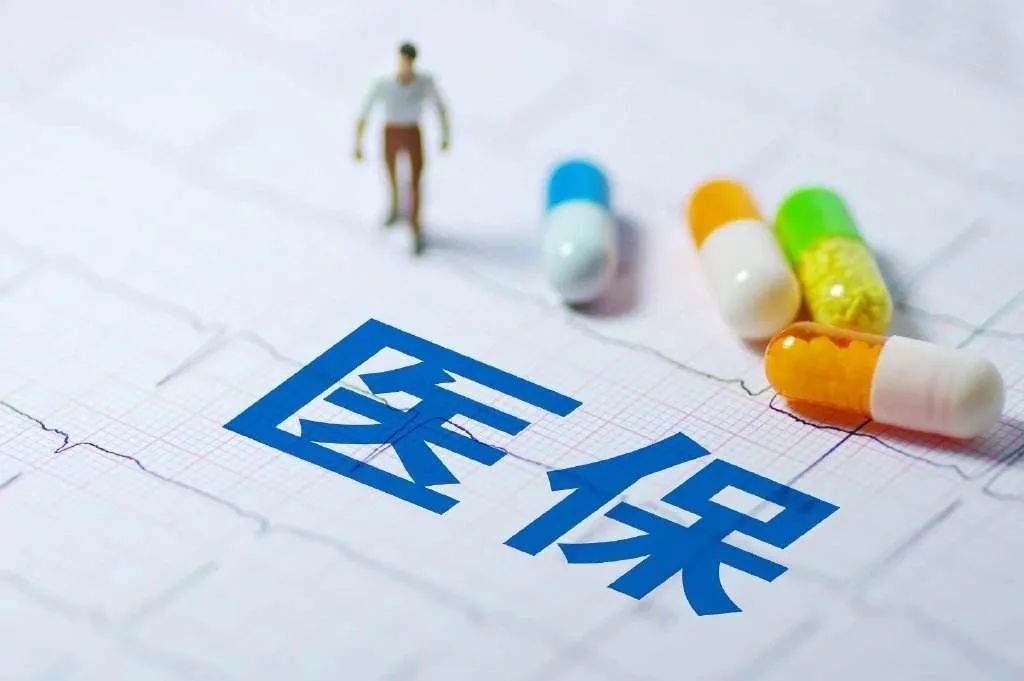
The National Healthcare Security Administration recently announced the preliminary review results for the 2022 National Medical Insurance Drug List. A total of 344 drugs passed the preliminary formal review, with both the number of declared and approved drugs increasing compared to last year. Analysis points out that since the establishment of the dynamic adjustment mechanism, more high-quality drugs have been included in the medical insurance drug list. Gaps in coverage for areas such as oncology drugs, rare disease medications, and pediatric drugs have been gradually filled. Negotiated price reductions and medical insurance reimbursement have alleviated the medication cost burden for patients and their families.
According to reports, the adjustment of the medical insurance drug list involves stages including corporate application, formal review, expert evaluation, and negotiation/bidding. Passing the formal review indicates that the drug is qualified to enter the next stage of expert evaluation. In this adjustment, the National Medical Insurance Information Platform received a total of 537 corporate application submissions involving 490 drugs. Among these, 344 drugs passed the preliminary formal review, representing a success rate of 70%.
Among the published results, there are 199 products not currently on the insurance list that have the potential to be added. These include oral COVID-19 drugs, rare disease treatments, and innovative oncology drugs, which have garnered significant attention. Notably, the first domestic oral COVID-19 drug, "Azvudine Tablets," has passed the preliminary formal review. The National Healthcare Security Administration stated that it will proceed with follow-up work according to procedures, aiming to formally include it in the medical insurance list at a reasonable price.
Since its establishment, the National Healthcare Security Administration has adjusted the medical insurance drug list for four consecutive years. It has cumulatively added 507 new and high-quality drugs, removed 391 drugs with unclear efficacy, and increased the number of Western medicines and Chinese patent medicines in the current list to 2,860. Gaps in coverage for oncology drugs, chronic disease medications, rare disease treatments, and pediatric drugs have been gradually addressed.
To tackle the issue of "high medical costs," the National Healthcare Security Administration has cumulatively added 250 drugs to the list through negotiations, with an average price reduction of over 50%. In 2021, the 221 negotiated drugs within the agreement period were reimbursed 140 million times. Through negotiated price reductions and medical insurance reimbursement, the total cost burden alleviated for patients during the year reached RMB 149.5 billion.
Li Bin, Deputy Director of the National Health Commission, stated at a press conference held on September 7 that over the past decade, the number of people covered by basic medical insurance in China has exceeded 1.36 billion, with the coverage rate stable at over 95%. Currently, the annual revenue and expenditure of the fund both exceed RMB 2 trillion, benefiting over 4 billion patient visits.
Over the past ten years, the proportion of out-of-pocket health expenditure for urban and rural residents in China has decreased from 34.34% in 2012 to 27.7%. The medical insurance reimbursement ratio has continuously increased. The per capita government subsidy for resident medical insurance has risen from RMB 240 to RMB 610, benefiting 1 billion urban and rural residents. At the same time, the broader coverage of medical insurance has a tremendous impact on the entire pharmaceutical market, greatly benefiting pharmaceutical R&D and the translation of innovative achievements. It can be described as a "virtuous cycle" in healthcare security.
 Previous:
 Back to List