



Copyright © 2025 Shenyang Dasan Pharmaceutical Technology Co., Ltd.

 Posting Date:2022-06-17
 Views:
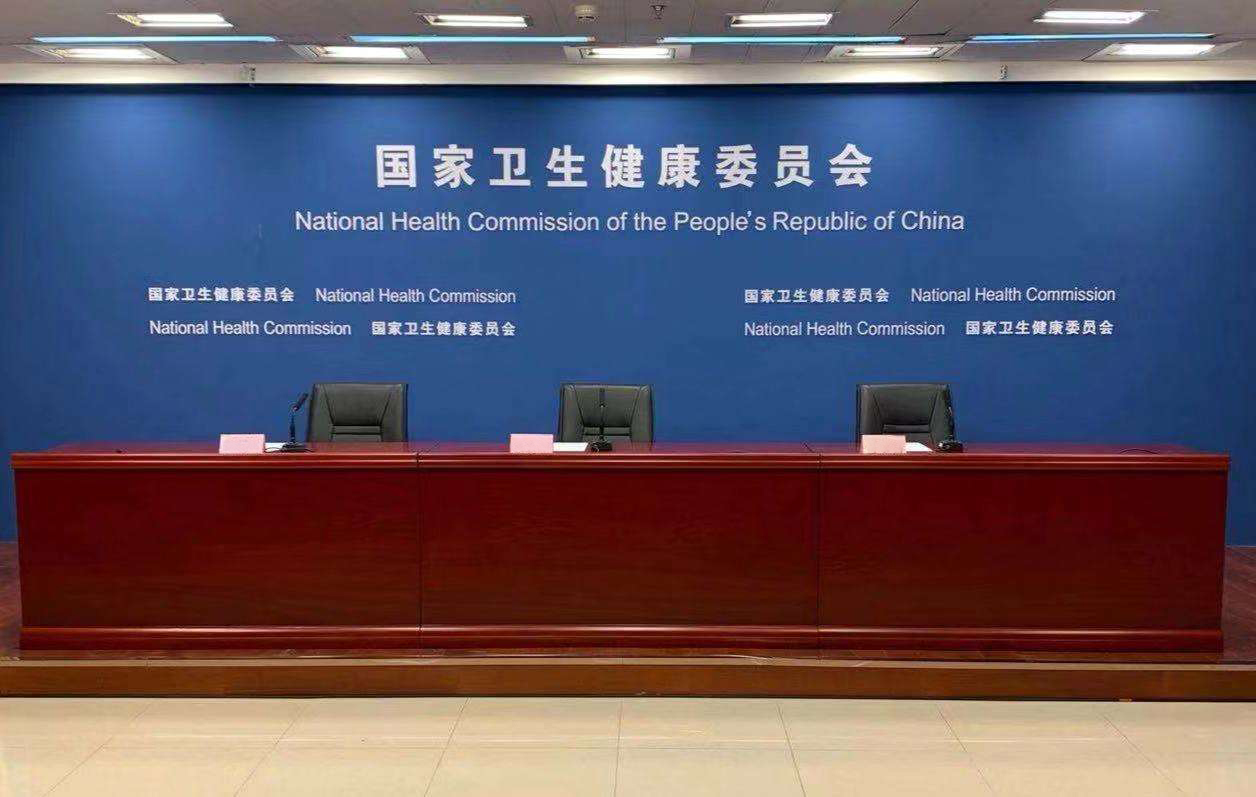
The National Health Commission (NHC) issued the Monkeypox Diagnosis and Treatment Guidelines (2022 Edition), requiring health administrative departments and traditional Chinese medicine (TCM) management departments at all levels to attach great importance to the matter. They are instructed to diligently organize training related to monkeypox diagnosis and treatment, effectively enhancing the capacity for "early detection, early reporting, early isolation, and early treatment." Once a suspected or confirmed case of monkeypox is identified, it must be reported promptly in accordance with relevant requirements, and all efforts should be made to organize medical treatment to effectively protect the lives and health of the people.
Notice on Issuing the Monkeypox Diagnosis and Treatment Guidelines (2022 Edition)
Guowei Ban Yi Han [2022] No. 202
To the Health Commissions and Traditional Chinese Medicine Administrations of all provinces, autonomous regions, municipalities directly under the central government, and the Xinjiang Production and Construction Corps:
Since May 2022, monkeypox cases have been reported in multiple non-endemic countries worldwide, with evidence of community transmission. To proactively prepare for monkeypox medical response, enhance early clinical identification capabilities, and standardize diagnosis and treatment practices, the National Health Commission, in collaboration with the National Administration of Traditional Chinese Medicine, has organized the development of the Monkeypox Diagnosis and Treatment Guidelines (2022 Edition). This document is hereby issued for your reference and implementation.
Health administrative departments and TCM management authorities at all levels must treat this with high priority, earnestly organize training related to monkeypox diagnosis and treatment, and effectively enhance the capacity for "early detection, early reporting, early isolation, and early treatment." Any suspected or confirmed monkeypox case identified must be reported promptly according to relevant requirements, and all necessary medical treatment efforts should be organized to safeguard the life and health of the public.
General Office of the National Health Commission
Office of the National Administration of Traditional Chinese Medicine
June 10, 2022
Monkeypox Diagnosis and Treatment Guidelines
(2022 Edition)
Monkeypox is a zoonotic viral disease caused by infection with the monkeypox virus (MPXV). Its main clinical manifestations include fever, rash, and swollen lymph nodes. The disease is primarily endemic in Central and West Africa. Since May 2022, monkeypox cases have also been reported in some non-endemic countries, with evidence of community transmission. These guidelines have been developed to improve clinicians' ability to identify monkeypox early and provide standardized diagnosis and treatment.
I. Etiology
The monkeypox virus (MPXV) is classified under the Orthopoxvirus genus of the Poxviridae family. It is one of four Orthopoxviruses pathogenic to humans, the others being variola virus, vaccinia virus, and cowpox virus. Under electron microscopy, MPXV particles appear brick-shaped or oval, measuring 200nm × 250nm, with an envelope. The viral particle contains structural proteins and DNA-dependent RNA polymerase. Its genome is double-stranded DNA, approximately 197 kb in length. MPXV is divided into two clades: the West African clade and the Congo Basin clade. Virus sequencing results from some cases in the current non-endemic countries indicate the West African clade.
The primary hosts of MPXV are African rodents (including African squirrels, tree squirrels, Gambian pouched rats, dormice, etc.).
MPXV is resistant to drying and low temperatures, surviving for months in soil, scabs, and clothing. It is sensitive to heat and can be inactivated by heating to 56°C for 30 minutes or 60°C for 10 minutes. Ultraviolet radiation and common disinfectants can inactivate it; it is sensitive to sodium hypochlorite, chloroxylenol, glutaraldehyde, formaldehyde, and paraformaldehyde.
II. Epidemiology
(A) Sources of Infection
The primary sources of infection are rodents infected with monkeypox virus. Infected primates (including monkeys, chimpanzees, humans, etc.) can also serve as sources of infection.
(B) Routes of Transmission
The virus enters the human body through mucous membranes or broken skin. Humans primarily become infected through contact with lesion exudates, blood, or other bodily fluids of infected animals, or via bites or scratches from infected animals. Human-to-human transmission occurs mainly through close contact, but also via respiratory droplets. Infection can also occur through contact with virus-contaminated objects, and vertical transmission via the placenta is possible. Sexual transmission cannot be ruled out.
(C) Susceptible Population
The general population is susceptible. Individuals previously vaccinated against smallpox have some degree of cross-protection against monkeypox virus.
III. Clinical Manifestations
The incubation period is 5-21 days, typically 6-13 days. The early stage of the illness is characterized by chills and fever, usually with a temperature above 38.5°C, which may be accompanied by headache, lethargy, fatigue, back pain, and myalgia. Most patients develop swollen lymph nodes in the neck, armpits, groin, and other areas. A rash appears 1-3 days after the onset of fever. The rash typically appears first on the face and then spreads to the extremities and other parts of the body. The rash is often centrifugal in distribution, with more lesions on the face and limbs than on the trunk; lesions can appear on the palms and soles. The number of lesions ranges from a few to several thousand. The rash can also involve the oral mucosa, digestive tract, genitals, conjunctiva, and cornea. The rash evolves through several stages: macules, papules, vesicles, pustules, and finally scabs. Vesicles and pustules are typically spherical, about 0.5-1 cm in diameter, firm in texture, and can be associated with significant itching and pain. The period from illness onset to scab shedding is approximately 2-4 weeks. Erythema or hyperpigmentation, and sometimes scarring, can remain after scabs fall off; scars may persist for years. Some patients may develop complications, including secondary bacterial infection of skin lesions, bronchopneumonia, encephalitis, corneal infection, and sepsis.
Monkeypox is a self-limiting disease, and the prognosis is generally favorable in most cases. Severe cases are more common in young children and immunocompromised individuals. Prognosis is related to the virus clade, the extent of viral exposure, pre-existing health conditions, and the severity of complications. The case fatality rate for the West African clade is approximately 3%, while for the Congo Basin clade, it is approximately 10%.
IV. Laboratory Examination
(A) Routine Examination
Peripheral white blood cell count may be normal or elevated, while platelet count may be normal or decreased. Some patients may show elevated transaminase levels, decreased blood urea nitrogen levels, hypoproteinemia, etc.
(B) Etiological Examination
1. Nucleic Acid Testing: Monkeypox virus nucleic acid can be detected in specimens such as rash material, vesicular fluid, scabs, oropharyngeal or nasopharyngeal secretions using nucleic acid amplification testing methods.
2. Viral Culture: Monkeypox virus can be isolated by culturing the specimens mentioned above. Viral culture must be conducted in biosafety level 3 (BSL-3) laboratories or higher.
V. Diagnosis and Differential Diagnosis
(A) Diagnostic Criteria
1. Suspected Case
Individuals presenting with the clinical manifestations described above and meeting any one of the following epidemiological criteria:
(1) History of travel to monkeypox case-reporting areas outside China within 21 days before illness onset;
(2) Close contact with a monkeypox case within 21 days before illness onset;
(3) Contact with blood, bodily fluids, or secretions of an animal infected with monkeypox virus within 21 days before illness onset.
2. Confirmed Case
A suspected case with a positive monkeypox virus nucleic acid test or isolation of monkeypox virus via culture.
Cases meeting the criteria for suspected or confirmed cases should be reported as notifiable infectious diseases according to relevant requirements.
(B) Differential Diagnosis
Differential diagnosis primarily involves distinguishing monkeypox from other febrile rash illnesses such as chickenpox, herpes zoster, herpes simplex, measles, and dengue fever, as well as from bacterial skin infections, scabies, syphilis, and allergic reactions.
VI. Treatment
Currently, there are no specific antiviral drugs for monkeypox virus available domestically. Treatment primarily consists of symptomatic and supportive care and management of complications.
(A) Symptomatic and Supportive Care. Patients should rest in bed, receive adequate nutrition and hydration, and maintain fluid and electrolyte balance. For high fever, physical cooling is preferred; antipyretic analgesics may be given when the temperature exceeds 38.5°C, but care should be taken to prevent dehydration due to excessive sweating.
Keep the skin, oral cavity, eyes, and nose clean and moist. Avoid scratching the skin in the rash area to prevent secondary infection. Analgesics may be administered for severe pain in the rash areas.
(B) Management of Complications. Effective antibiotics should be administered for secondary bacterial skin infections, adjusted based on the results of pathogen culture, identification, and susceptibility testing. Prophylactic use of antibiotics is not recommended. For corneal lesions, eye drops and Vitamin A supplementation may be used. For encephalitis, treatment includes sedation, dehydration to reduce intracranial pressure, and airway protection.
(C) Psychological Support. Patients often experience anxiety, depression, and other psychological issues. Enhanced psychological support, counseling, and relevant explanations are necessary. Timely consultation with a mental health specialist for involvement in diagnosis and treatment, including the use of appropriate adjunctive medication, should be arranged according to the patient's condition.
(D) Traditional Chinese Medicine (TCM) Treatment. TCM treatment is based on syndrome differentiation following the principles of "treatment based on etiology" and "adapting to the three factors (season, environment, and individual)". For patients with fever in the clinical presentation, the use of *Shengma Gegen Tang*, *Shengjiang San*, or *Zixue San* is recommended. For patients with high fever, dense rash, sore throat, and multiple painful swollen lymph nodes, the use of *Qingying Tang*, *Shengma Biejia Tang*, or *Xuanbai Chengqi Tang* is recommended.
VII. Discharge Criteria
Patients may be discharged when they meet the following criteria: normal body temperature, significant improvement in clinical symptoms, and scabs have fallen off.
VIII. Infection Prevention and Control in Healthcare Settings
Suspected and confirmed cases should be placed in isolation wards. Suspected cases should be isolated in single rooms.
Healthcare workers should implement standard precautions, including contact precautions and droplet precautions. They must wear disposable latex gloves, medical protective masks, protective face shields or goggles, disposable isolation gowns, and perform proper hand hygiene.
Patient secretions, feces, and blood-contaminated materials must be strictly disinfected according to the Technical Specification for Disinfection in Healthcare Facilities.
 Previous:
 Back to List