以下是保留原 HTML 结构的翻译结果:
---
```html
As the saying goes, you reap what you sow. The same applies to the human body—different foods we consume lead to different states of health. Our bodies require seven major nutrients: carbohydrates, proteins, fats, vitamins, minerals, dietary fiber, and water.
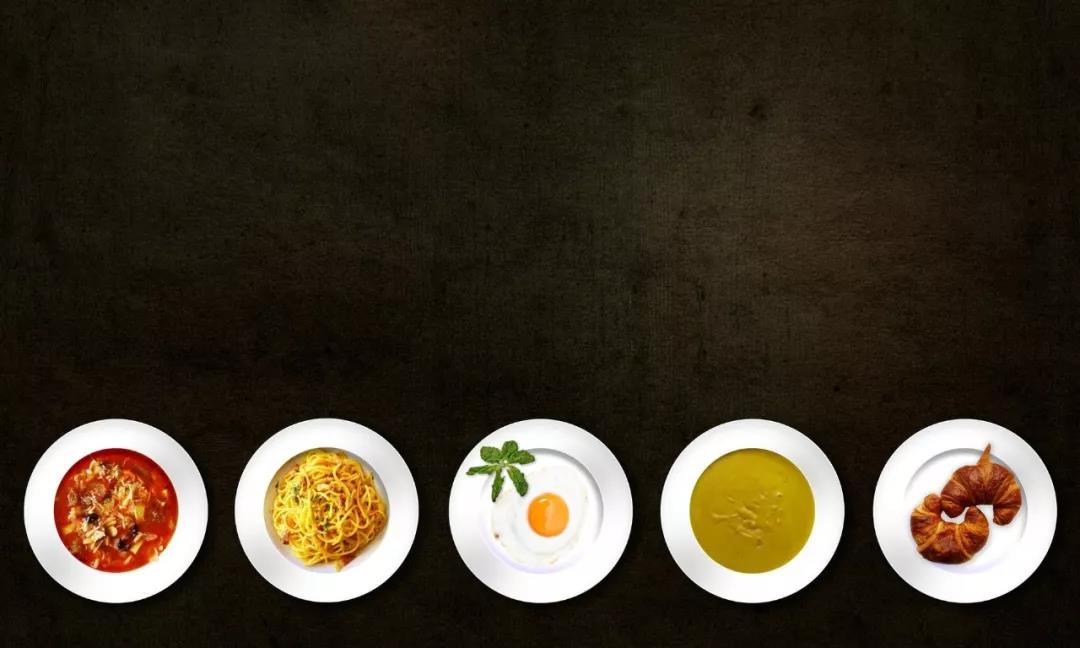
The human body is composed of countless cells, and its functioning relies on the continuous process of cellular self-repair. The repair capacity of cells is determined by two main factors: one is the genes and the cell life cycle we are born with, which determine the repair speed; the other is the nutritional status we provide through diet, which determines the repair quality.
Our genes are determined while we are still in the womb, and the cell life cycle is a law we must follow. Epithelial cells die within one day; gastric mucosal cells are replaced every 3 to 5 days; cells on the surface of the lungs have a lifespan of 2 to 3 weeks; the stratum corneum on the skin surface is renewed about every 28 days; red blood cells can survive for about 150 days; heart cells are renewed about once every 20 years; brain cells are never renewed throughout a person's life. These cycles are beyond our control, but the quality of repair—determined by nutrition—is something we can influence through our choices.
How can we maintain good health?
The answer lies in a healthy mindset, a balanced diet, exercise suited to our abilities, following biological rhythms, and getting adequate quality sleep.
How does the body signal an imbalance in various nutrients?
Our body's basal metabolism requires energy, and carbohydrates, fats, and proteins are the main sources of energy in the human diet. Carbohydrates provide glucose to certain tissues, especially the brain, nerve tissue, red blood cells, renal tubules, and skeletal muscles under oxygen-deficient conditions. In the diet, carbohydrates are mainly classified as monosaccharides, disaccharides and oligosaccharides, and polysaccharides.
Deficiency may cause: Hypoglycemia, heart palpitations, cold sweats, fatigue, drowsiness, ketone body production, brain cell damage, constipation, etc.
Food sources: Mainly cereals and tubers, such as flour, rice, corn, potatoes, sweet potatoes, yams, sugar, honey, taro, red beans, etc., as well as fruits and vegetables.
Without protein, there is no life. Proteins play roles in regulating gene expression, acid-base balance, antibody production, blood clotting, energy and glucose metabolism, enzyme activity, hormone function, transport, and fluid and electrolyte balance.
Deficiency may cause: Sensitivity to cold, muscle laxity, chest sagging, edema during pregnancy, easy wrinkling, developmental delays, reduced immunity, frequent colds, fatigue, reduced fertility, anemia, premature aging, hair loss, split or brittle nails, slow wound healing, etc.
Food sources: Divided into plant protein and animal protein. Plant protein sources include soybeans, mung beans, and shiitake mushrooms; animal protein sources include milk, cheese, pork, chicken, beef, eggs, duck eggs, fish, and shrimp.
Lipids supply energy, promote the absorption of fat-soluble vitamins, maintain body temperature, protect internal organs, increase satiety, and improve the sensory qualities of food.
Deficiency may cause: Weight loss, weakened immunity, growth retardation, dry skin, low metabolic energy, sensitivity to cold, etc.
Food sources: Primarily derived from animal adipose tissue, meat, nuts, and plant seeds. Common foods include coconut oil, beef tallow, mutton tallow, lard, peanut oil, soybean oil, sesame oil, cashews, and walnuts.
Dietary fiber helps maintain normal intestinal function, lower serum cholesterol, prevent gallstone formation, affect postprandial blood glucose and insulin levels, increase satiety, regulate gut microbiota, and promote colon function.
Deficiency may cause: Constipation, obesity, high blood sugar, gut microbiota imbalance, hemorrhoids, colorectal cancer, gallstones, acne, elevated cholesterol, intestinal adhesions, etc.
Food sources: Mainly divided into soluble and insoluble dietary fiber. Whole grains, legumes, fruits, and vegetables are major sources. Common foods include seaweed, oatmeal, broccoli, leeks, bananas, apples, potatoes, and celery.
For life, water deprivation is more immediately life-threatening than food deprivation. Water is a major component of the body, an essential part of cells and body fluids, and participates in metabolism, temperature regulation, and lubrication.
Deficiency may cause: Dry mouth, irritability, and in severe cases, electrolyte imbalance and even life-threatening conditions.
Food sources: Primarily from drinking water and food moisture. Food moisture comes from staple foods, dishes, snacks, and soups, including the water content of foods and water added during cooking, such as liquid milk, soy milk, vegetables, and fruits.
B vitamins are water-soluble vitamins that participate in various enzyme systems as coenzymes or cofactors, playing important roles in many metabolic processes, particularly energy metabolism. Any excess beyond the body's needs is excreted in urine, and only small amounts are stored in the body.
Deficiency may cause: Sluggish reaction, dull eyes, itchy eyes, bloodshot eyes, memory decline, irritability, loss of appetite, cracked lips, angular cheilitis, bad breath, motion sickness, fatigue,上火 (heatiness), skin allergies, headache, vomiting, etc.
Food sources: Mainly cereals, fruits and vegetables, dairy products, and plant and animal tissues. Common foods include peanuts, eggs, milk, vegetables, liver, and fish.
Vitamin C has antioxidant properties, participates in collagen synthesis, promotes steroid metabolism, aids in neurotransmitter synthesis, enhances the utilization of calcium, iron, and folic acid, and boosts immunity.
Deficiency may cause: Dry mouth, reduced immunity, frequent colds, stretch marks, bleeding gums, purpura, scarring, weakened bone tissue, hyperpigmentation, and even cervical cancer, cataracts, etc.
Food sources: Mainly fresh vegetables and fruits. Common foods include peppers, bitter melon, spinach, tomatoes, hawthorn, kiwifruit, grapefruit, strawberries, and oranges. Animal products and dairy contain relatively small amounts.
Vitamin E has antioxidant properties, supports fertility, regulates the immune system, and modulates platelet adhesion and aggregation.
Deficiency may cause: Habitual miscarriage, hormonal imbalance, infertility, irregular menstrual cycles, premenstrual syndrome, early menopause, scarring from wounds, frostbite, strabismus, premature aging, age spots, reduced lung function, excess free radicals, etc.
Food sources: Vegetable oils are the best source of vitamin E. Common foods include wheat germ, tea seed oil, peanut oil, sunflower seed oil, corn oil, olive oil, cashews, and almonds.
Vitamin A helps maintain normal vision, supports cell growth and differentiation, maintains the health of epithelial tissues, and supports normal immune function.
Deficiency may cause: Dry eyes, amblyopia, night blindness, reduced nasopharyngeal immunity, susceptibility to inflammation and allergies, dry skin, dandruff, hair loss, reduced lung function, decreased urinary and reproductive function, etc.
Food sources: Include preformed vitamin A from various animal foods and provitamin A carotenoids from red, yellow, and green vegetables and fruits. Common foods include lamb liver, beef liver, chicken heart, eggs, milk, hairtail, oysters, carrots, spinach, and pumpkin.
Vitamin D promotes calcium absorption in the small intestine, promotes reabsorption of calcium and phosphorus in the renal tubules, maintains blood calcium and phosphorus levels, and supports bone and tooth mineralization.
Deficiency may cause: Rickets in children, osteoporosis and osteomalacia in middle-aged and elderly adults, etc.
Sources: Obtained primarily through skin exposure to sunlight or from the diet. Most foods do not contain vitamin D; a few contain trace amounts, such as cheese, egg yolks, shiitake mushrooms, lard, butter, pork, organ meats, and cream.
Calcium is a major component of bones and teeth. It helps maintain nerve and muscle activity, participates in cellular signaling, aids in blood coagulation, regulates enzyme activity, maintains cell membrane stability, supports hormone secretion, and helps maintain acid-base balance.
Deficiency may cause: Frequent dreaming, easy startling, memory decline, difficulty controlling emotions, headache, frequent urination, cramps, teeth grinding, involuntary muscle twitching, back pain, menstrual pain, easy fractures, unexplained pain, talkativeness, short stature, bedwetting, heart palpitations, etc.
Food sources: Milk and its products are the best dietary sources of calcium. Soybeans and their products are also good sources. Fish also contain relatively high amounts of calcium. Common foods include shrimp skin, whole milk powder, sesame seeds, sea crab, soybeans, broccoli, eggs, tofu, milk, and bok choy.
Iron participates in oxygen transport and tissue respiration, supports normal hematopoietic function, and helps maintain normal immune function.
Deficiency may cause: Iron deficiency anemia, memory decline, reduced attention and learning ability, cold hands and feet, chest tightness, pale complexion, deformed nails, increased risk of birth defects in pregnant women, swollen tongue, insomnia, slow reactions, etc.
Food sources: Iron is widely present in various foods, including both plant-based and animal-based foods. Common foods include black fungus, seaweed, sesame paste, pork liver, pork blood, shiitake mushrooms, raisins, soybeans, egg yolks, and peanuts.
Zinc promotes growth and development, enhances immune function, maintains cell membrane structure, stimulates appetite, and protects skin and vision.
Deficiency may cause: Taste disorders, picky eating, anorexia or pica, poor growth and development, diarrhea, etc.
Food sources: Zinc is widely present in common foods, but its content and absorption rates vary. Animal foods are excellent sources of zinc. Common foods include oysters, cheese, shrimp, oats, peanut butter, pecans, pork liver, beef, pork, and chicken.
A balanced intake of nutrients is essential in daily life. Do not ignore symptoms that arise in the body, as this could lead to irreversible consequences. Please take good care of your body and your mind—eat well, sleep well, and nurture your spirit. Your body will reward you accordingly.
1. Chinese Nutrition Society, Chinese Dietary Reference Intakes (2013 Edition), Beijing Science Press.
2. Nutrition and Health Food Branch of Chinese Nutrition Society, Nutrients and Disease Improvement, Peking University Medical Press.
3. L. Kathleen Mahan, Sylvia Escott-Stump, Janine L. Raymond, Krause's Food & the Nutrition Care Process, People's Medical Publishing House.




 Posting Date:2021-06-08
 Views:
  Previous:
 Back to List