Against the backdrop of cardiovascular disease posing an increasingly serious global health threat, the management and prevention of dyslipidemia, a major driver, are particularly crucial. Unfortunately, due to the insidious nature of early symptoms and a lack of public awareness, the low-density lipoprotein cholesterol (LDL-C) target attainment rate among patients with dyslipidemia hovers around only 6.8%, earning hyperlipidemia the title of "King of Chronic Diseases."
A New Drug Ushers in a New Chapter in Lipid Management
At the end of 2023, Sanofi's Rosuvastatin and Ezetimibe Tablets (I) successfully entered the Chinese market, specifically designed for patients with hypercholesterolemia and homozygous familial hypercholesterolemia (HoFH). As the first rosuvastatin and ezetimibe fixed-dose combination approved in China, its innovation lies in achieving an LDL-C reduction of over 50% with a single administration, representing a revolutionary breakthrough in lipid management.
Technological Innovation, Synergistic Effect
Rosuvastatin and Ezetimibe Tablets (I) combine the dual power of rosuvastatin, the most potent statin, with ezetimibe, a cholesterol absorption inhibitor. The former inhibits cholesterol synthesis in the liver, while the latter blocks cholesterol absorption in the intestine. Their mechanisms are complementary, achieving a "1+1>2" lipid-lowering effect. Notably, this formulation utilizes advanced "dual-layer tableting" technology, which not only ensures drug stability but also reduces potential irritation to the gastric mucosa, enhancing patient safety and compliance.

Guideline Recommended, Clinically Proven
According to the Chinese Guidelines for Lipid Management (2023), different LDL-C targets are set for patients with dyslipidemia based on their risk stratification. Particularly for patients with atherosclerotic cardiovascular disease (ASCVD), achieving dual targets for LDL-C level and reduction (reduction >50%) is required. As moderate-intensity statin monotherapy often fails to meet this goal, both domestic and international authoritative guidelines recommend a lipid-lowering strategy combining statins with ezetimibe. Rosuvastatin and Ezetimibe Tablets (I) perfectly embody this concept, with clinical data showing it can further reduce LDL-C by 27% on top of rosuvastatin 10 mg, easily crossing the 50% reduction threshold.
Market Response, Promising Future
With the launch of Rosuvastatin and Ezetimibe Tablets (I), it not only addresses the issue of poor patient compliance with separate tablet combinations but also significantly reduces the risk of major adverse cardiovascular events (MACE) by up to 42%. This achievement is attributed to its innovative formulation technology and excellent lipid-lowering efficacy, providing a more convenient and effective treatment option for patients with dyslipidemia.
Moreover, several domestic pharmaceutical companies have actively entered this field, applying to manufacture similar drugs, signaling the initial formation of market competition. In the future, with the emergence of more high-quality products, China's lipid management landscape will usher in a more diversified and personalized treatment era, bringing more benefits to patients.
As a silent killer of cardiovascular disease, managing dyslipidemia remains a long and challenging journey. The launch of Rosuvastatin and Ezetimibe Tablets (I) not only fills the gap in combination lipid-lowering fixed-dose combination therapy in China but also provides a new path of "improving efficiency while managing costs" for lipid management. We look forward to more significant achievements in lipid management driven by technology and innovation, safeguarding public health.




 Posting Date:2024-08-27
 Views: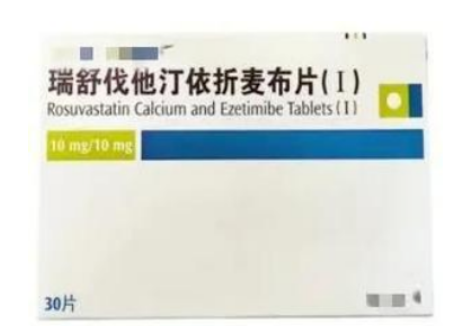
 Previous:
 Back to List