A New Option for Formulation Optimization: Application of Mini-Tablets
Posting Date:2024-07-29Views:
Mini-tablets, meticulously compressed into micro-sized tablets with a diameter of less than 3 mm, offer clinical efficacy comparable to pellets and are often designed as multi-unit dosage forms. This article aims to deeply analyze the clinical application value of mini-tablets from the perspective of developing improved new drugs, providing a solid theoretical basis and practical reference for mini-tablet R&D project initiation.
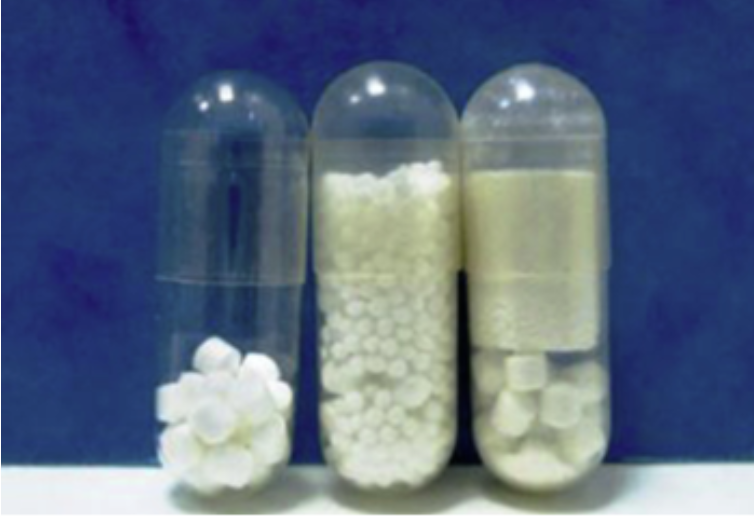
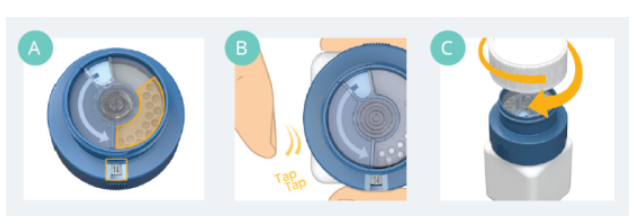
I. Key Advantages of Mini-Tablets1. Optimized Drug Absorption: Given that the upper small intestine, especially the duodenum, is the primary absorption site for most drugs, medications must pass through the stomach to reach it. Therefore, gastric emptying time is a critical factor affecting drug absorption. If gastric emptying is too rapid, drug absorption may be incomplete; conversely, the drug may mix with gastric contents, affecting absorption efficiency. Compared to conventional oral solid dosage forms, mini-tablets, with their small size, can easily pass through the pylorus, reducing dependence on gastric emptying time and significantly decreasing inter- and intra-individual variability in absorption. For drugs significantly affected by gastric emptying, mini-tablets represent a promising avenue for formulation improvement.2. Flexible Dose Adjustment and Enhanced Patient Compliance: The small size of mini-tablets allows for flexible dose adjustment, making them particularly suitable for elderly patients and pediatric populations who may have difficulty swallowing, thereby effectively improving medication adherence. Furthermore, if a child accidentally chews a conventional tablet, it can lead to rapid drug release and potential toxicity. In contrast, due to the limited drug content per mini-tablet, even if chewed, they do not result in a substantial release, significantly enhancing safety. Compared to liquid formulations, mini-tablets offer clear advantages in terms of stability, storage, and portability.3. Reduced Local Irritation: For drugs with local irritant properties, mini-tablets disperse the contact area, effectively reducing irritation to specific sites.4. Flexible Combination Dosing: Mini-tablets can be flexibly combined to meet diverse clinical needs. For example, in a study by Butler et al., they successfully filled a single capsule with a combination of mini-tablets, including immediate-release, delayed-release targeting the upper small intestine, and delayed-release targeting the lower small intestine, demonstrating the unique value of mini-tablets in complex dosing regimens.5. Simplified Manufacturing Process: Compared to pellets, the manufacturing process for mini-tablets is simpler, does not require the use of solvents, and yields better uniformity of the final product.II. Diverse Types of Mini-Tablets1. Pediatric Mini-Tablets: For pediatric patients, mini-tablets overcome several shortcomings of syrups, conventional tablets, and capsules, such as difficulty in dose adjustment, swallowing issues, and chemical instability, making them a more acceptable novel dosage form for children.2. Gastric-Retentive Mini-Tablets: Through specialized design, these mini-tablets remain in the stomach for an extended period, releasing the drug locally to enhance therapeutic efficacy. They can be coated with gas-generating agents like sodium bicarbonate or calcium carbonate, or with Eudragit, offering an alternative to traditional high-polymer-content formulations, thereby increasing drug loading capacity.3. Orally Disintegrating Mini-Tablets: These mini-tablets disintegrate rapidly in the oral cavity without the need for water or chewing, making them particularly suitable for patients with swallowing difficulties. Their design focuses on taste-masking technology and porosity optimization to ensure rapid dissolution while maintaining tablet strength and packaging compatibility.4. pH-Responsive Mini-Tablets: Leveraging the pH differences along the gastrointestinal tract, these mini-tablets use pH-responsive polymer coatings to control the site of drug release, improving therapeutic precision. Compared to pellets, mini-tablets offer advantages in ease of manufacturing, coating, and size uniformity.5. Biphasic Mini-Tablets: Combining immediate-release and sustained-release mechanisms, these mini-tablets can provide both a rapid onset of action and maintain a constant plasma concentration, suitable for the therapeutic needs of various drugs such as non-steroidal anti-inflammatory drugs (NSAIDs) and antihypertensives.III. ConclusionAs an emerging direction in oral solid dosage form optimization, mini-tablets, with their significant advantages such as ease of swallowing, flexible dose adjustment, and controlled release rates, are gradually becoming a focus in the field of new drug development. Currently, mini-tablet products on the international market are primarily concentrated in pediatric medications and sustained-release formulations, fully demonstrating their broad application potential. However, the development and manufacturing of mini-tablets also face numerous challenges, including stringent requirements for granulation quality, precise control of filling and compression force during tableting, and high standards for production equipment.To address these challenges and promote the healthy development of mini-tablet technology, the Center for Drug Evaluation (CDE) of China issued the "Technical Guidelines for Pharmaceutical Research of Mini-Tablets (Chemical Drugs) (Draft for Comments)" in September 2023. This provides clear direction and strong support for companies conducting mini-tablet research. This initiative not only standardizes the technical pathways for mini-tablet development but also accelerates the market positioning and advancement of mini-tablet products in China.With continuous innovation in drug delivery device technology, several suppliers have introduced precise dosing devices for mini-tablets. These devices not only ensure that patients and caregivers can accurately obtain the required dose but also reduce the risk of contamination by minimizing contact between the tablets and the external environment, thereby enhancing medication safety.Looking ahead, with continued advancements in manufacturing and packaging technologies, it is anticipated that a broader range of drugs will be developed as mini-tablet formulations, offering patients more diverse and convenient therapeutic options. The widespread application of mini-tablet technology will undoubtedly drive continuous innovation and development within the pharmaceutical industry, contributing significantly to the improvement of public health.




 Posting Date:2024-07-29
 Views: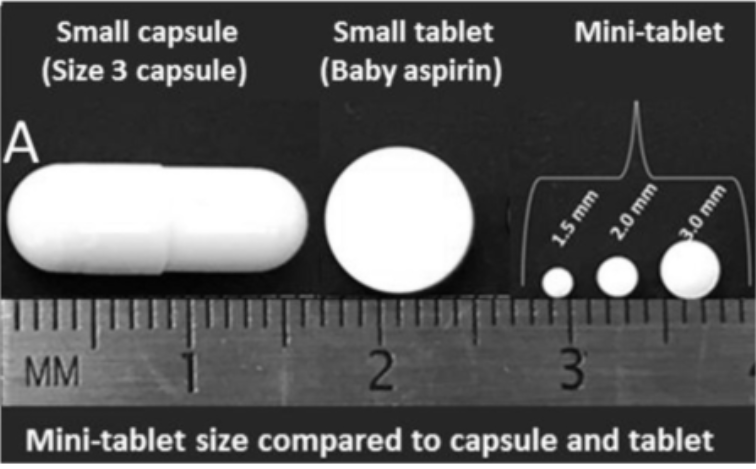
 Previous:
 Back to List