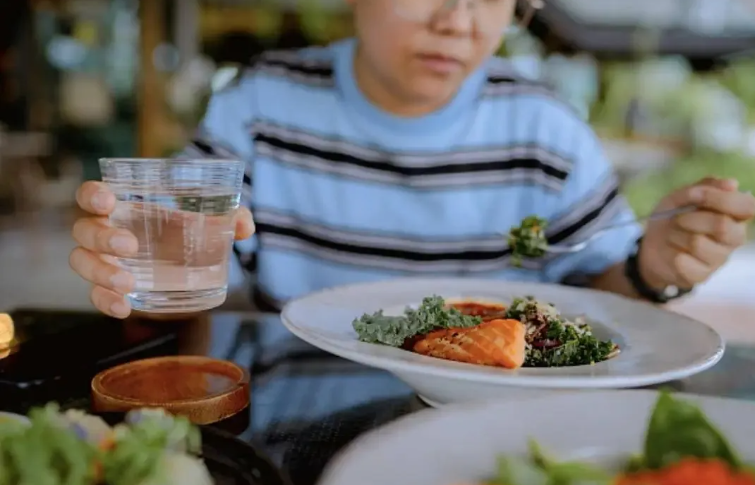
Recently, there has been considerable online debate about whether one should practice "dry-wet separation" during meals—that is, avoiding drinking water while eating. Some argue that eating and drinking should be separated because otherwise, starch gelatinization would cause a sharp spike in postprandial blood sugar. Others insist that eating without water makes it hard to swallow, and that having soup before a meal helps with weight loss. Both perspectives have merit, but neither is entirely accurate.
First, the claim that not separating solids and liquids raises blood sugar does have some scientific basis. Some studies indicate that, with the same food type, quantity, and composition, drinking water while eating a meal or snack can lead to a larger and faster rise in blood sugar. However, this does not mean everyone is affected, as individual differences are significant.
On the other hand, the saying "Soup before a meal is better than a prescription" and studies suggesting that drinking water before meals can aid weight loss are not unfounded. These conclusions often come from studies where total food intake was not controlled. When participants ate until they were full, drinking plain water before a meal reduced food intake for some individuals, thereby decreasing energy intake and potentially aiding weight loss. However, it is important to note that for those whose food intake is not affected by pre-meal water consumption, this method will not help with weight loss.
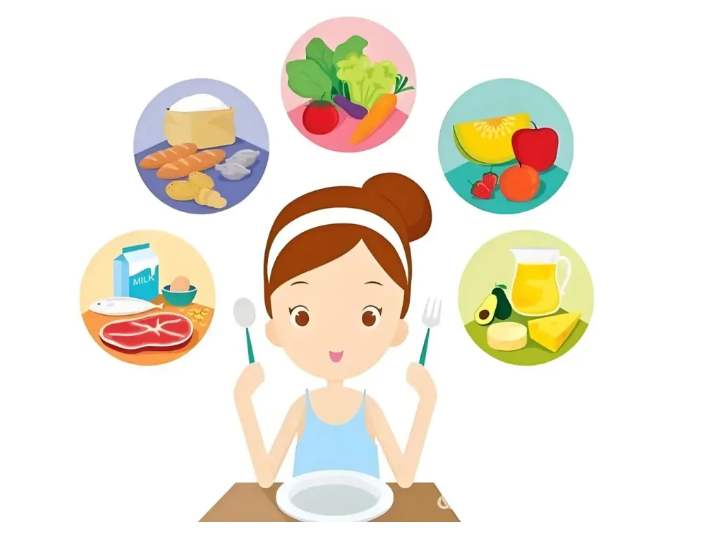
Additionally, consuming caloric beverages (such as soda, juice, beer, or milk) with a meal typically increases total energy intake for that meal, which is not conducive to weight loss. A similar principle applies to having soup before a meal: if the amount of food consumed does not decrease, drinking soup may lead to a faster and higher postprandial blood sugar spike, increasing energy intake. However, if soup before a meal reduces subsequent food intake, the reduction in food might offset the soup's calories and glycemic effect, potentially helping to lower blood sugar and weight.
As for the concern that drinking water with meals dilutes gastric juices and impairs digestion, healthy individuals generally need not worry. An appropriate amount of water helps the gastrointestinal tract propel food, break it down, and absorb nutrients. Therefore, having a bowl of soup before a meal or drinking a glass of water with a meal does not significantly affect digestion in healthy individuals. However, if one has gastrointestinal or other systemic conditions, and a doctor has provided specific instructions regarding fluid intake, those should be strictly followed.
For those who need to strictly control their blood sugar, monitoring one's own blood glucose levels can be helpful.
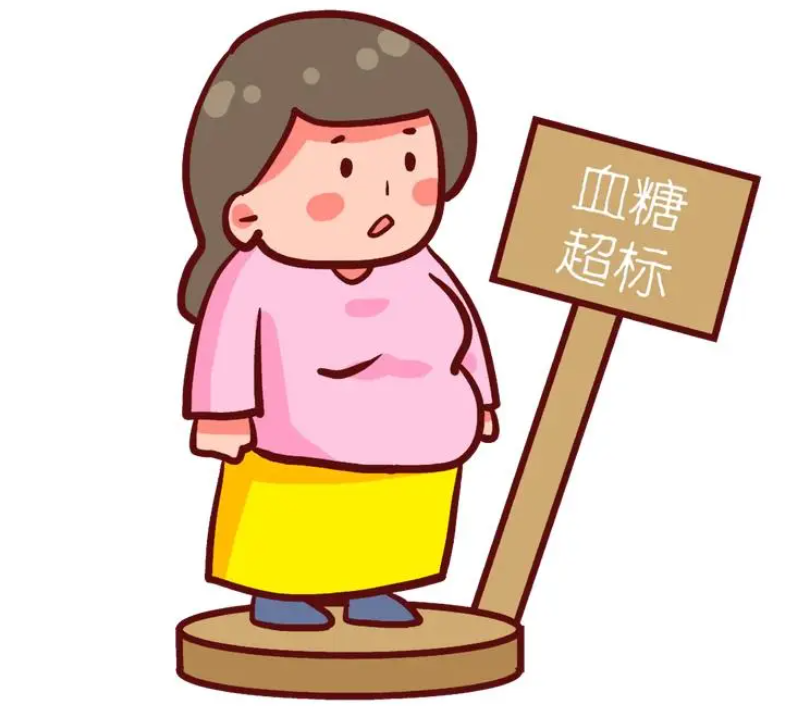
If blood sugar levels are significantly higher when consuming solids and liquids together compared to when they are separated, adjusting eating habits—such as drinking less soup or limiting water intake to between meals—may be considered. For healthy individuals primarily focused on weight loss, if having a glass of plain water or a low-calorie soup before a meal helps them eat less, this approach can be a relatively safe and simple weight-loss strategy. Conversely, if the goal is to eat more to increase nutrient intake, reducing pre-meal fluid consumption might be helpful.
In summary, there is no definitive answer to whether drinking water with meals is good or bad. Everyone's physical condition, eating habits, and preferences differ, so decisions about drinking water during meals should be based on individual circumstances. If there are no specific medical needs, whether to drink water can be guided by personal sensation. It is perfectly fine to have soup before a meal or drink water if food feels too dry to swallow; however, if symptoms such as abdominal pain, bloating, or acid reflux occur after drinking, one should consider adjusting habits by separating eating and drinking. The most important thing is to choose what works best for you and maintain a healthy lifestyle.



 Posting Date:2024-12-10
 Views:
  Previous:
 Back to List