In the fast-paced modern life, whether it's voluntarily staying up late or suffering from insomnia, a good night's sleep has become a luxury for many. Many people wonder: does sleeping one or two hours less each day count as staying up late?
Studies indicate that sleeping two hours less per day for two consecutive weeks, or staying awake for 48 hours, can lead to cognitive decline. Moreover, the recovery time from chronic sleep deprivation can be even longer than from an all-nighter.Sleep duration also has a significant impact on caloric intake. Many studies show that sleeping only 3.5 to 5 hours per night can lead to an average caloric intake increase of over 300 calories compared to normal sleep quality, possibly due to stress or other factors.
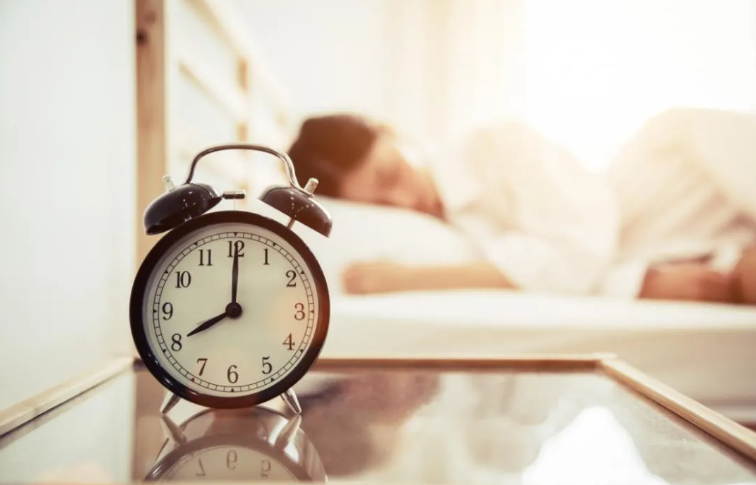
Sleep Duration and Quality Are Equally Important
First, let's address a highly concerned question: sleeping one or two hours less each day does indeed count as staying up late. Healthy sleep should meet three conditions: falling asleep quickly, sufficient duration, and good quality.
The drowsiness and fatigue from sleep deprivation are secondary; the greatest harm lies in the prolonged state of stress it induces, leading to weakened immunity and increasing the risk of various diseases, including:
Cognitive Decline:
A 25-year follow-up study published in Nature Communications showed that people who sleep less than 6 hours per night have a one-third increased risk of developing Alzheimer's disease. Researchers from Boston University explained that sleep deprivation leads to the accumulation of beta-amyloid protein, a toxic metabolite in the brain, thereby increasing the risk of Alzheimer's.
Increased Risk of Cardiovascular Disease: A study published in JAMA Network Open indicated that people who get 7 hours of sleep per night have the lowest rates of cardiovascular disease mortality and all-cause mortality. During sleep, the heart also rests. Poor or insufficient sleep essentially forces the heart to work overtime, which over time can lead to issues like arrhythmia and inadequate blood supply.The secretion of hormones such as thyroid hormones, sex hormones, and melatonin in the human body follows certain rhythms. Sleep issues can disrupt these rhythms, affecting hormone levels, which in turn negatively impacts sleep quality, creating a vicious cycle.As early as 2007, the World Health Organization's International Agency for Research on Cancer classified staying up late (including shift work that disrupts circadian rhythms) as a Group 2A carcinogen. Sleep deprivation triggers a stress response in the body, increases inflammatory factors, and disrupts the immune system, potentially creating opportunities for cancer cells to develop.
Psychological Disorders:
A 2020 study published in the journal Sleep showed that reduced nighttime sleep leads to worsened mood and increased irritability the next day. Long-term sleep deprivation may also trigger anxiety disorders, depression, and even schizophrenia. The less sleep, the greater the risk of mental health issues.
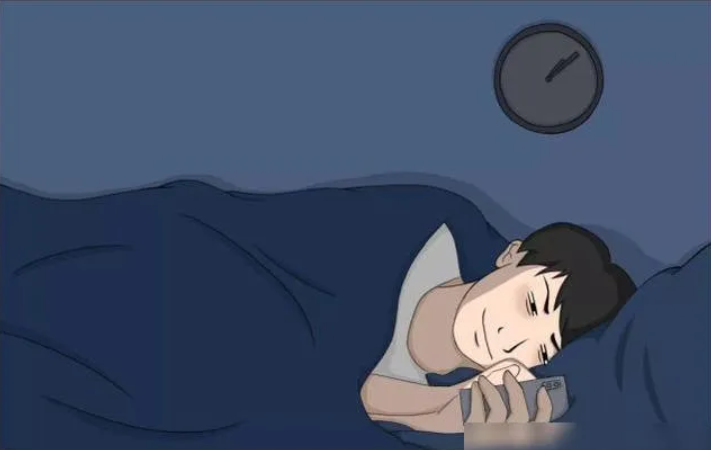
Optimal Sleep Duration by Age
After analyzing 312 sleep studies, the National Sleep Foundation (US) provided recommended optimal sleep durations by age:
Newborns sleep almost constantly except when feeding. At 3-6 months, sleep duration shortens to 10-18 hours;At 1-2 years old, sleep duration is typically 11-14 hours.Preschoolers aged 3-5 years need 10-13 hours of sleep; school-aged children aged 6-13 need 9-12 hours.Some children are naturally energetic and need less sleep than their peers. Parents need not worry excessively as long as they appear energetic and develop normally.This is a period of rapid physical growth. Sleeping too late, too little, or with poor quality can affect height development. It is recommended to go to bed before 10 p.m. Middle school students should sleep 9-10 hours per night, and high school students 8-9 hours.Adults aged 18-64 need 7-9 hours of sleep per night. Adults typically go through 4-5 sleep cycles each night, each lasting 90-110 minutes. Waking up after completing a full cycle leads to feeling refreshed. It's recommended to find the sleep duration that suits you best based on your own needs.Organ function and hormone levels decline in older adults, leading to lighter sleep and easier awakenings. Adults over 65 should aim for 6-8 hours of sleep, ensuring no fatigue or excessive sleepiness upon waking. If frequent insomnia, vivid dreaming, or prolonged sleepiness occurs, medical attention should be sought.Finding the "Sweet Spot" for SleepBeyond duration, the following factors are also important indicators of sleep quality:
Time to Fall Asleep
From a biological rhythm and endocrine perspective, staying up later than 11 p.m. is generally considered staying up late. Falling asleep within 30 minutes after turning off the light is considered normal.
Exposure to light before and during sleep can suppress melatonin secretion, thereby affecting sleep quality. Using blackout curtains or wearing an eye mask while sleeping is a good option.
Noise Control
Ambient noise in the bedroom should be kept below 40 decibels.
If the bedroom is near a busy road or area, consider using thicker curtains to block out noise.
Listening to white noise, such as waterfalls or light rain, for an hour before bed can be helpful.
If you went to bed too late the previous night but must wake up on time in the morning, a midday nap of 30-60 minutes can be helpful. If you want to sleep a bit longer, it's better to go to bed earlier the next evening rather than sleeping in later the next morning.




 Posting Date:2025-01-21
 Views:
 Previous:
 Back to List