In recent years, whether in hospital pharmacies or retail pharmacies on the street, the packaging boxes of oral medications we purchase often feature a logo. This logo actually represents an important marker: a generic drug that has passed the consistency evaluation.
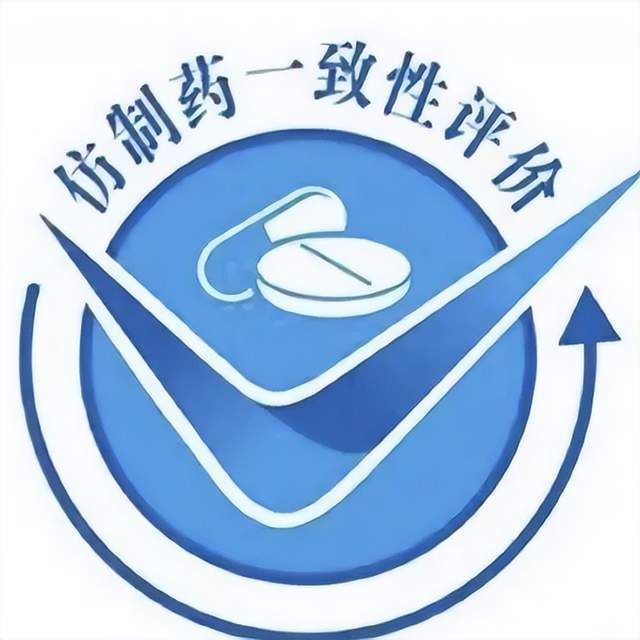
Simply put, when a generic drug undergoes a series of rigorous evaluation processes, proving that its quality and efficacy are equivalent to those of the original drug (often referred to by the public as imported original drugs), it can obtain this logo. This evaluation process is known as generic drug consistency evaluation, designed to ensure that generic drugs maintain consistency with original drugs in terms of safety and efficacy.
A generic drug that has passed the consistency evaluation means it is comparable to the original drug in quality, safety, efficacy, and therapeutic effect, while being more affordable, thereby reducing the financial burden on patients. This evaluation is of great significance in promoting the development of China's pharmaceutical industry, improving drug accessibility, and lowering healthcare costs.
In the past, due to the late start of China's pharmaceutical industry, drug production was primarily focused on generics, which have played an important role in clinical treatment. However, for historical reasons, some ordinary generic drugs approved earlier had certain gaps in quality and efficacy compared to original drugs (imported originals), making it difficult to achieve satisfactory therapeutic outcomes for patients. Through the consistency evaluation, the quality and efficacy of China's generic drugs have been significantly enhanced. Domestic generic drugs that have passed the consistency evaluation can now reach the level of original drugs, and under the national centralized drug procurement policy, they significantly reduce drug prices while ensuring therapeutic efficacy.
For patients, generic drugs that have passed the consistency evaluation mean lower prices and better therapeutic outcomes. These generic drugs are supported by sufficient scientific rationale and clinical evidence regarding their safety, efficacy, and ability to prevent and treat diseases. Therefore, choosing a generic drug that has passed the consistency evaluation is a wise decision, as it ensures therapeutic effectiveness while reducing the economic burden.
Despite the many advantages of generic drugs, their practical application still requires careful and appropriate use. Physicians, pharmacists, and patients should fully understand the status of a generic drug's consistency evaluation, clarifying its differences and similarities with the original drug. When selecting medication, priority should be given to generic drugs that have passed the consistency evaluation, ensuring their safety and efficacy are guaranteed.
The logo on the packaging box of oral medication is a symbol of generic drug consistency evaluation, representing that the drug has undergone a rigorous evaluation process and possesses quality and efficacy comparable to the original drug. Choosing a generic drug that has passed the consistency evaluation is a prudent step that can lower healthcare costs, improve therapeutic outcomes, and ensure medication safety. With rational use guided by physicians and pharmacists, generic drugs can provide patients with a better treatment experience and improved health outcomes.

In September 2023, the National Healthcare Security Administration (NHSA) launched the third phase of its real-world study on clinical efficacy and safety (VGRES 3), focusing on drugs procured in the fourth and fifth rounds of national centralized procurement, and conducting in-depth research in collaboration with several regional medical centers across the country.
In response to public concern about quality risks associated with centralized procurement generic drugs and imported drugs, experts from the NHSA research team provided clarification at a press conference. In terms of the proportion of products reported by drug regulatory authorities for quality risks, domestic drugs showed significantly lower rates than imported drugs. Among the 1,327 domestic generic drug products selected since the implementation of centralized procurement, only 2 were reported for quality risks; among the 60 imported drug products, 4 were reported for quality risks, 3 of which were original drugs.
Experts noted that in the process of globalization, some original drugs themselves are produced through international supply chains, with raw material production, formulation manufacturing, packaging lines, and other steps taking place in different countries. This can lead to inadequate oversight of original drug manufacturers in their home countries or at overseas contract manufacturing sites. Therefore, experts emphasized that there is no need to blindly trust imported original drugs; instead, drug selection should be based on clinical needs and the specific conditions of patients, ensuring a scientific and rational approach.
As the national centralized drug procurement system covers commonly used hospital medications and actively phases out clinically ineffective and unevaluated products, domestic generic drugs will gradually achieve high-quality substitution. This will mark a significant transformation for China from a major generic drug producer to a powerhouse in generic drug manufacturing. In this process, high quality at an affordable price has become the core competitiveness of the generic drug industry.
Shenyang Dashan Pharmaceutical Technology Co., Ltd. focuses on drug delivery system (DDS) development as its core business, providing pharmaceutical formulation development, formulation process optimization, chemical generic drug quality consistency evaluation, and pharmaceutical product registration services to the pharmaceutical industry both in China and abroad. To date, the company has completed generic drug consistency evaluations for multiple oral and injectable formulations. The market approval of these drugs has contributed to improving the quality of domestic pharmaceuticals and enhancing patient medication outcomes.





 Posting Date:2024-01-31
 Views:
  Previous:
 Back to List