Oral Semaglutide Is Here! The Weight-Loss Drug Boom Is Sizzling Hot!
Posting Date:2024-03-01Views:
During the 2024 Spring Festival movie season, the most talked-about and highly anticipated film was undoubtedly “YOLO,” directed by and starring Jia Ling. This film not only achieved an astonishing box office revenue of over 3 billion yuan during its release but also sparked a nationwide health and weight-loss craze, thanks to Jia Ling’s inspirational story of losing 50 kilograms for her role. Topics such as “Jia Ling’s Weight-Loss Diet” dominated trending searches, fueling widespread public interest in healthy weight management.
At the same time, the “YOLO”-inspired weight-loss trend quickly swept across the “weight-loss concept stocks” sector in the A-share market. Notably, even before the release of “YOLO,” the “weight-loss economy” had already begun to take shape, driven by the booming sales of the so-called “miracle weight-loss drug” semaglutide. This drug has had a profound impact on the pharmaceutical industry. With its two defining features—once-weekly injection and rapid weight loss—it quickly became a blockbuster product across the entire pharmaceutical sector.
Although semaglutide gained widespread fame for its remarkable efficacy in weight loss, it is essential to clarify that it is first and foremost a glucose-lowering medication for the treatment of type 2 diabetes, not a dedicated weight-loss drug. In China, its approved indications are limited to type 2 diabetes, and it has not yet received formal approval for weight-loss purposes.
However, this does not diminish semaglutide’s outstanding performance in the pharmaceutical field. As a glucose-lowering drug, semaglutide not only effectively reduces blood sugar but also provides cardiovascular protection, significantly lowering the risk of cardiovascular disease and mortality. Its weight-loss effects have also been widely praised by patients, making it a highly popular product in the market.
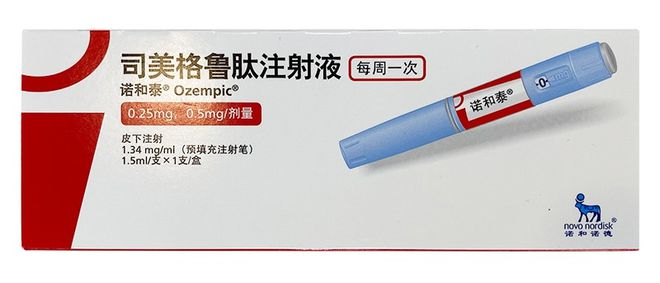
Traditionally, semaglutide has been administered via injection in a rather distinctive manner: it resembles a pen, requiring the attachment of a needle, priming, adjustment of the dosage scale, and disinfection of the injection site prior to use. Administering semaglutide injections not only demands a certain level of skill but also involves injection-related trauma. Additionally, the requirement for a cold chain throughout the process adds to the complexity of use. These factors collectively impact patient adherence—the willingness and ability to consistently follow the prescribed treatment regimen. As a result, researchers have been exploring more convenient and patient-friendly administration methods, with oral delivery being one of the most anticipated approaches.
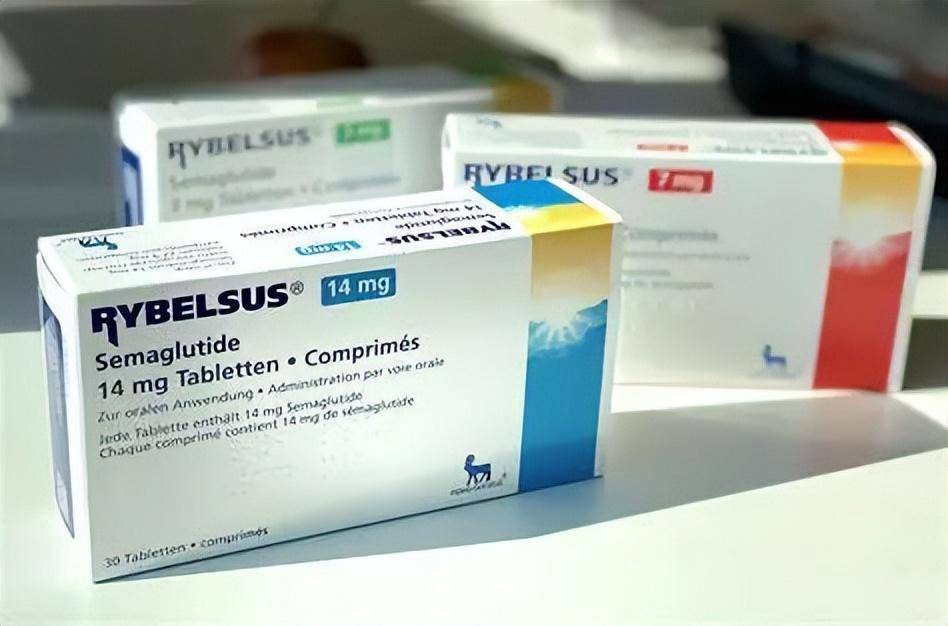
In January 2024, Novo Nordisk’s oral semaglutide tablets (brand name: NovoXin) received official approval from the National Medical Products Administration for the treatment of type 2 diabetes. This milestone development means that in the future, diabetic patients in China will be able to manage their condition more conveniently by taking oral semaglutide. The launch of this innovative drug undoubtedly brings more treatment options and hope to people living with diabetes.
The results of Novo Nordisk’s PIONEER clinical studies indicate that oral semaglutide is essentially comparable to the injectable formulation in terms of efficacy and safety. The dose-response curves for both formulations are largely consistent, with both effectively reducing HbA1c levels and significantly increasing HbA1c target attainment rates, reaching as high as 80%. This demonstrates that semaglutide delivers powerful glucose-lowering effects regardless of whether it is administered orally or by injection.
In terms of safety, the adverse event profiles of the two formulations are similar, with the most common being gastrointestinal reactions, primarily mild to moderate nausea. It is worth noting that these adverse effects tend to diminish over time. Moreover, the incidence of serious adverse events is comparable to that observed in the control groups, further confirming the reliability of oral semaglutide’s safety profile.
Currently, the price of oral semaglutide tablets in the domestic Chinese market has not yet been announced. Based on pricing in countries where it is already available, the highest prices are found in Europe and the United States, where a 30-tablet supply of semaglutide tablets (at doses of 3 mg, 7 mg, and 14 mg) is priced at US$935.77, equivalent to approximately RMB 223.9 per tablet. Japan offers the lowest prices, with pricing based on dosage: the lowest dose of 3 mg costs RMB 6.8 per tablet, while the highest dose of 14 mg costs RMB 23.7 per tablet.
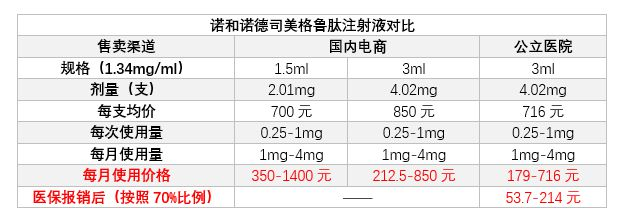
If China’s pricing follows the Japanese model, the monthly cost for users would be approximately RMB 200–700, which is roughly in line with the current price of injectable semaglutide in the domestic market.
With the launch of oral semaglutide tablets, this “oral glucose-lowering drug” has undoubtedly become a focal point of interest for many individuals seeking weight loss. In fact, some people in China have already obtained the drug through purchasing agents to experience its effects ahead of time. However, it is essential to clarify that the weight-loss indication for oral semaglutide is still in Phase III clinical trials and has not yet been approved for weight management in any country or region. The recent approval of oral semaglutide tablets in China also does not include weight-loss as an indication.
Even for injectable semaglutide, which has been approved for weight loss, its use is subject to strict limitations. The U.S. FDA explicitly states that the drug is only indicated for adults with a body mass index (BMI) of ≥30 kg/m², or for overweight adults (BMI ≥27 kg/m²) with at least one weight-related comorbidity such as hypertension, type 2 diabetes, or high cholesterol. This underscores that the use of such medications must be based on specific medical conditions rather than purely cosmetic weight-loss goals. Only through scientifically sound and appropriate use can these new drugs deliver their maximum benefits and truly serve the needs of patients.




 Posting Date:2024-03-01
 Views:

 Previous:
 Back to List