



Copyright © 2025 Shenyang Dasan Pharmaceutical Technology Co., Ltd.

 Posting Date:2023-03-31
 Views:
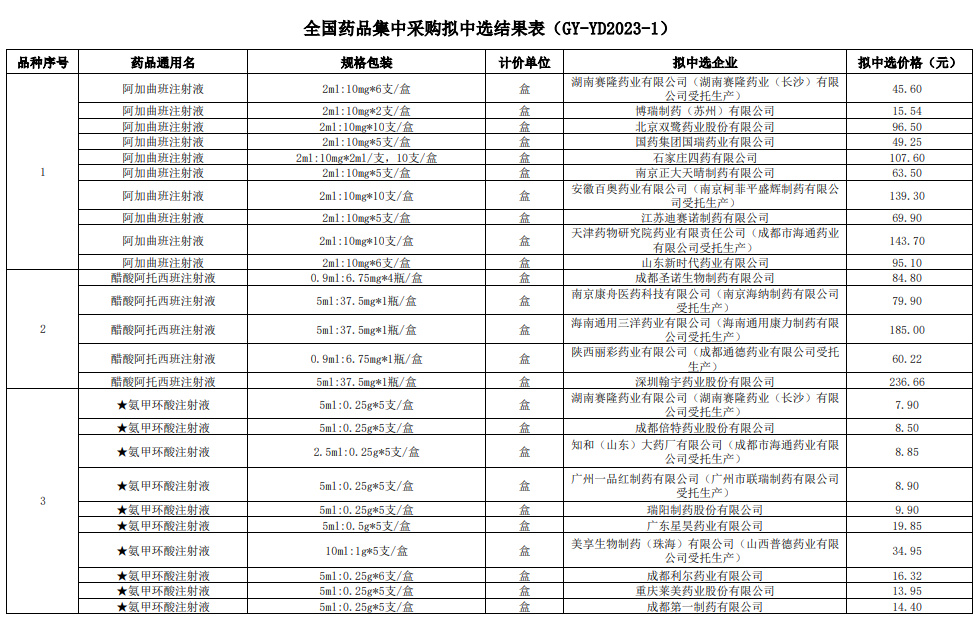
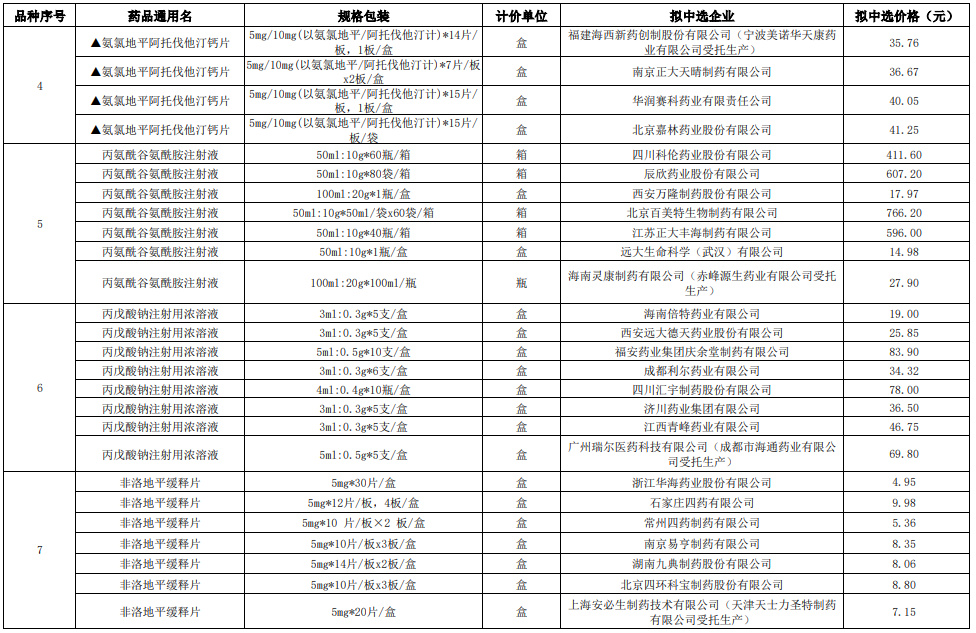
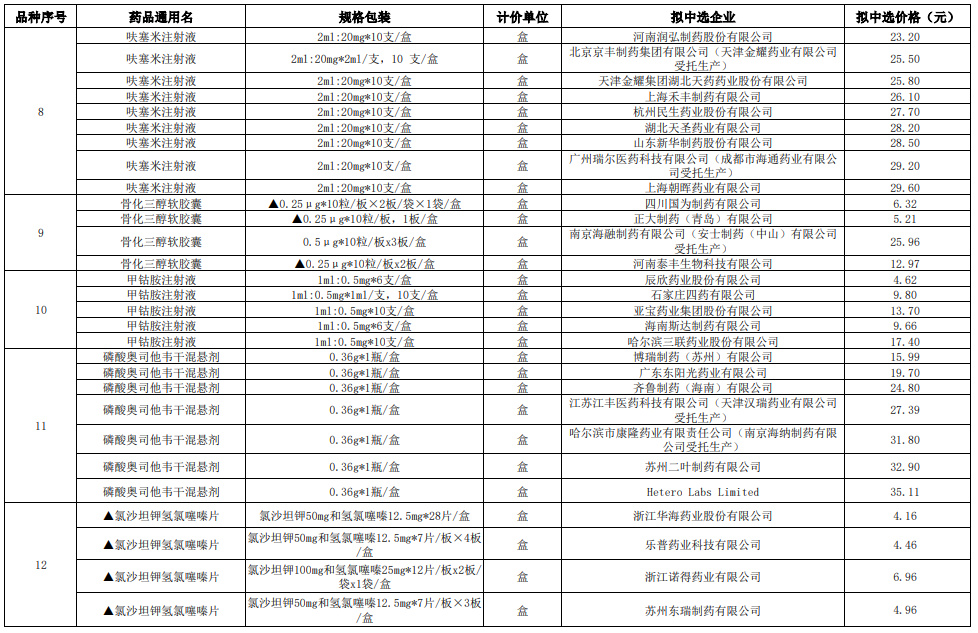
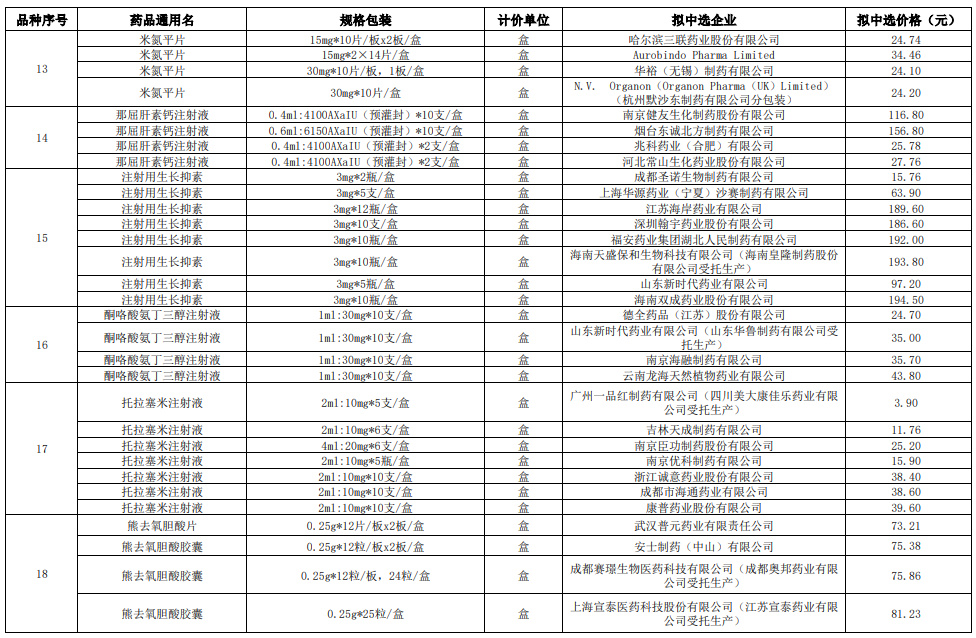
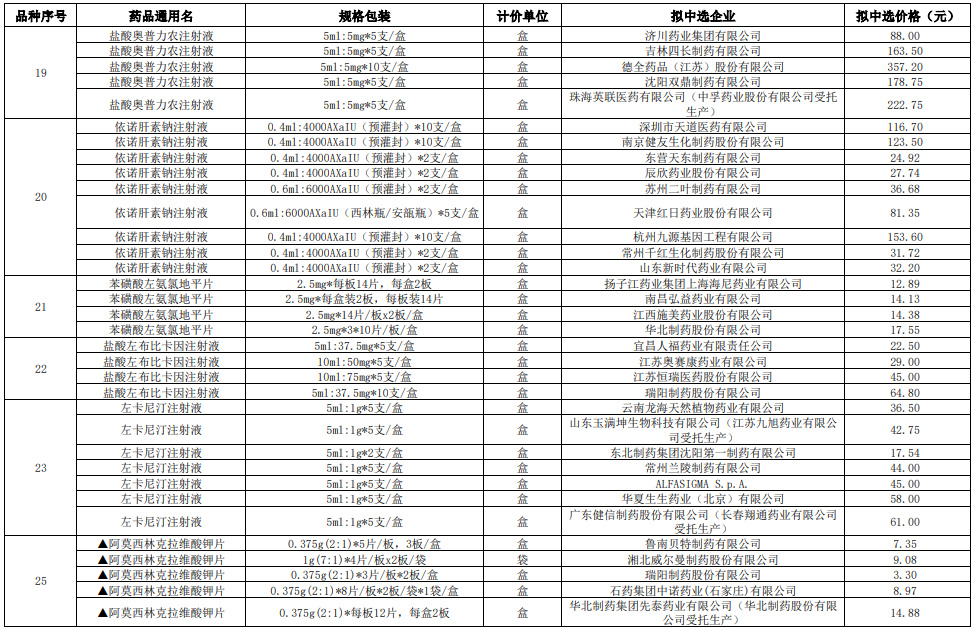
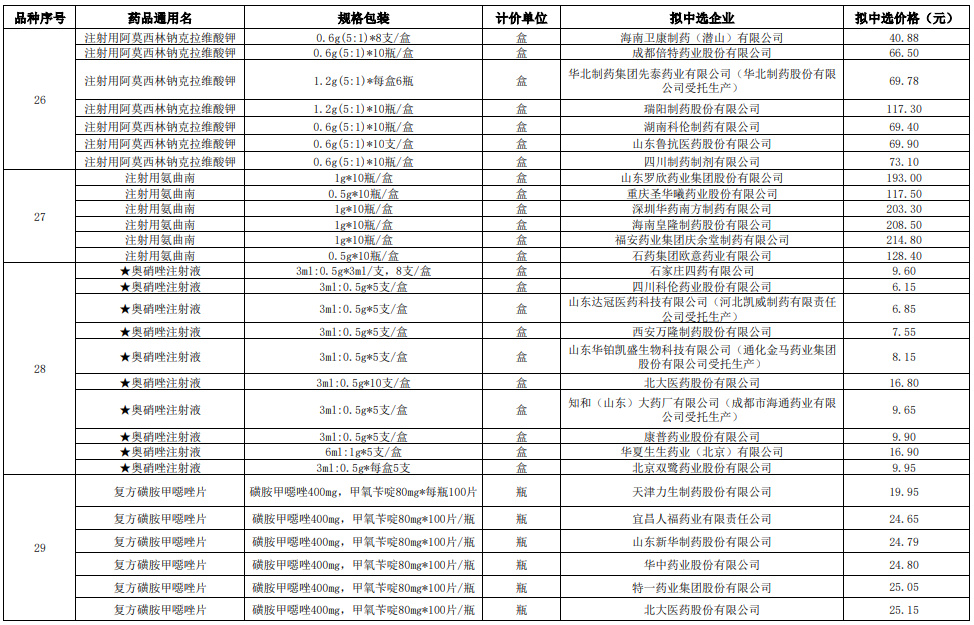
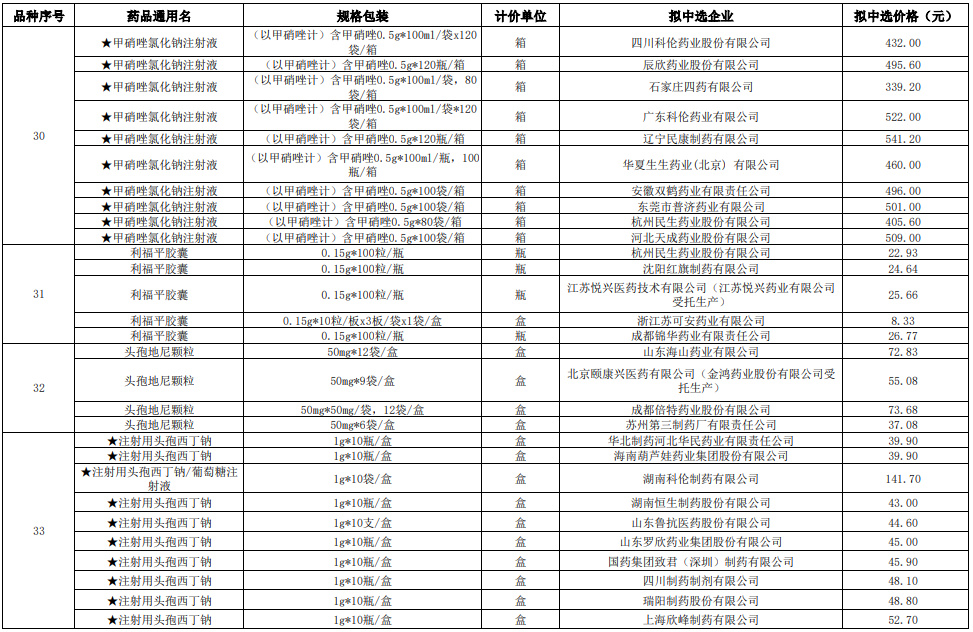
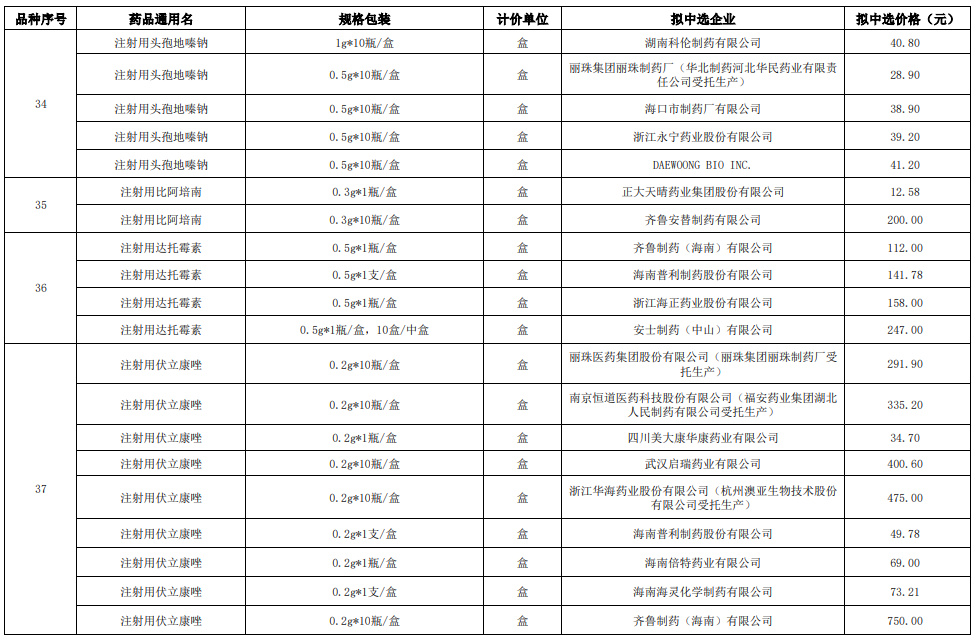
The eighth round of national centralized procurement opened on March 29, with the proposed selection results announced.
This article provides a summary analysis of the price reduction range, proposed selection rate, and number of proposed selected products by enterprise in the eighth round.
01. Price Reduction: 56%
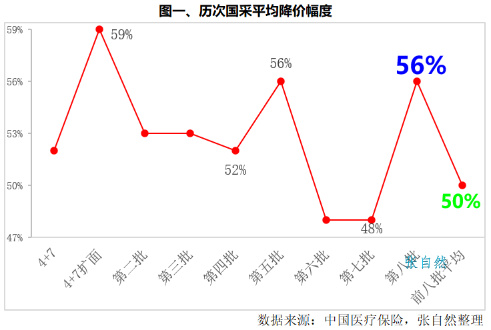
The average price reduction in the eighth round was 56%, tying with the fifth round (which also had a high number of injectable products) for the second-highest reduction rate, second only to the 4+7 expansion round at 59%.
This round included 27 injectable products, accounting for 69% of the 39 total proposed selected varieties. In the fifth round, injectable products accounted for 48%.
Although the overall pace of centralized procurement has moderated, the eighth round had the highest competitive threshold of any round to date, with at least five competitors for each variety. Since injectable products are a critical segment of the hospital market, the reduction rate remained high. (See Figure 1)
02. Proposed Selection Rate: 69%
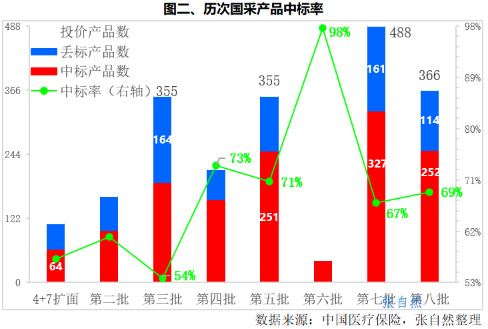
A total of 366 products participated in bidding, the second-highest number in any round of centralized procurement. This was 122 fewer (a 25% decrease) than the 488 products in the seventh round (which had the highest number of participants), but 11 more (a 3% increase) than the 355 products in the third and fifth rounds.
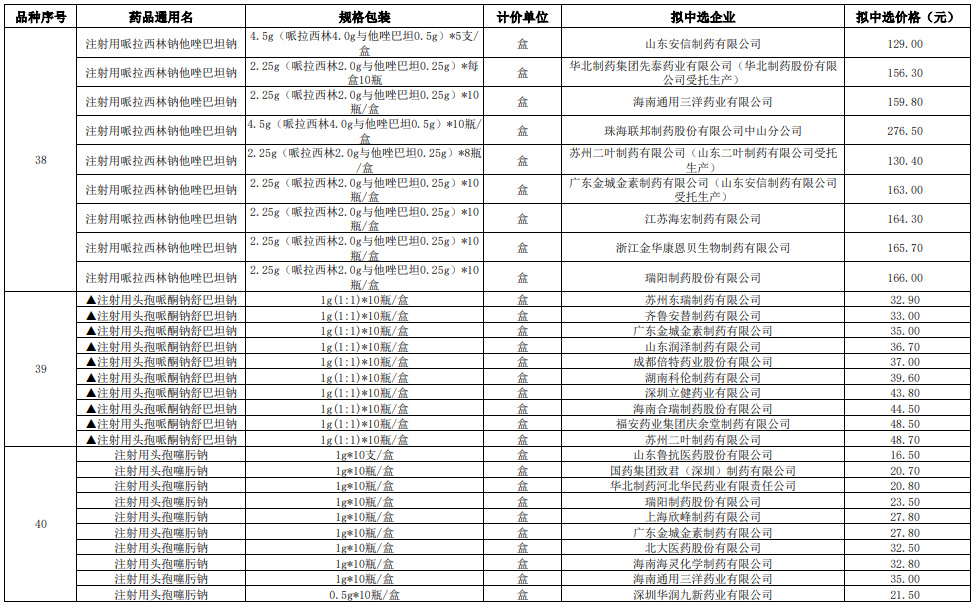
A total of 252 products were proposed as selected, also the second-highest number in any round. This was 75 fewer (a 23% decrease) than the 327 selected products in the seventh round, but 88 and 91 more than the 164 and 161 selected products in the third and fifth rounds, representing increases of 54% and 57%, respectively. Among them, the highest-value product in this round, Piperacillin Tazobactam Injection (RMB 2.238 billion), saw 11 companies competing, with 9 companies, including North China Pharmaceutical and Conba Pharmaceutical, being proposed as selected. Shandong Anxin Pharmaceutical secured the first position.
In this round, 114 products failed to be selected, the third-highest number in any round, following the third and fifth rounds, which had 164 and 161 failures, respectively. Notably, the lowest-value product in this round (RMB 2.06 million), the oral contraceptive Levonorgestrel Tablets, had no winning bidders, making it the only generic drug to fail selection in the eighth round. Additionally, of the 18 multinational pharmaceutical companies involved, only two products from two companies were proposed as selected: Organon’s Mirtazapine Tablets and Sigma-Tau’s Levocarnitine Injection. The selection rate for original drugs was only 11%, ranking fourth among all rounds.
The proposed selection rate for products in this round was 69%, ranking fourth among all rounds, lower than the sixth round (insulin special round) at 98%, the fourth round at 73%, and the fifth round at 71%, but higher than the seventh round (which had the highest number of participants and selected products) at 67%.
The failure rate in this round was 31%, ranking fourth among all rounds. The top three failure rates were the third round at 46%, the 4+7 expansion round at 43%, and the seventh round at 33%. (See Figure 2)
03. Number of Proposed Selected Products: Kelun, North China, and Ruiyang Tie for First Place
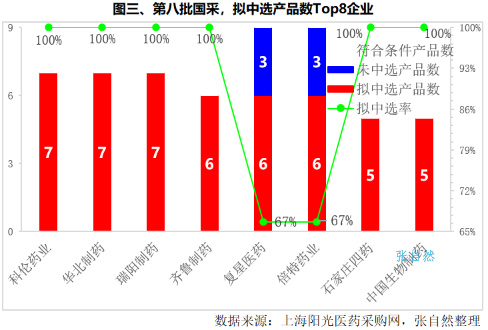
Kelun Pharmaceutical, North China Pharmaceutical, and Shandong Ruiyang Pharmaceutical tied for first place in the number of proposed selected products, each with 7.
Qilu Pharmaceutical, Fosun Pharma, and Beite Pharmaceutical tied for second place, each with 6.
Shijiazhuang No.4 Pharmaceutical and China Biopharmaceutical each had 5 proposed selected products.
Among these, Fosun Pharma and Beite Pharmaceutical each had 3 products that failed to be selected, resulting in a 67% selection rate. The products of the other six companies were all proposed as selected. (See Figure 3)
Further analysis of other results from the eighth round of centralized procurement will continue to be reported. Stay tuned.
 Previous:
 Back to List