



Copyright © 2025 Shenyang Dasan Pharmaceutical Technology Co., Ltd.

 Posting Date:2021-10-29
 Views:
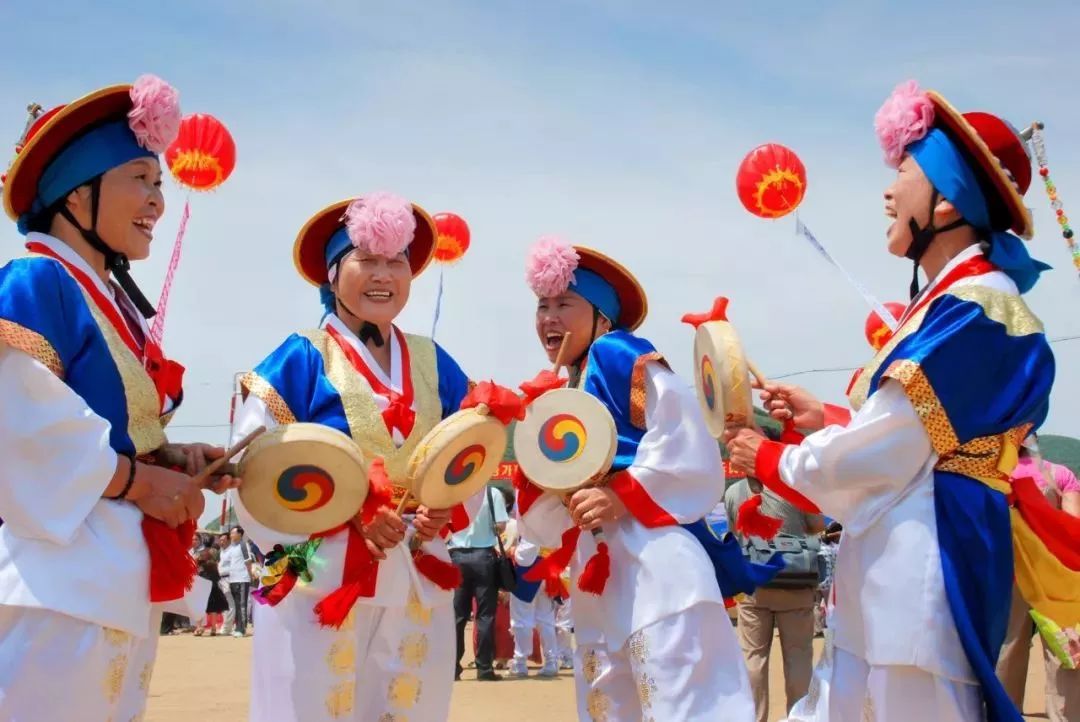
 The Korean ethnic group lives in three countries: China, South Korea, and North Korea. The Korean ethnic group, also known as Chaoxianzu or Goryeo people, is mainly distributed across Northeast China and is the primary consumer of kimchi in China. Kimchi not only represents the dietary habits of this ethnic group but also embodies the entire culinary culture of the Korean people.
During the Joseon Dynasty, people began cultivating large quantities of Chinese cabbage, which replaced traditional crops. Around the same time, the Japanese invasion led to the widespread planting of chili peppers. While the intention was agricultural dominance, the resourceful Korean people turned this unfamiliar ingredient to their advantage. During the Joseon period, the nation was surrounded by the sea on three sides, providing abundant seafood. The Korean people combined their traditional salting techniques with chili peppers, other vegetables, and seafood to create the delicious kimchi we enjoy today. This not only revolutionized the flavor and color of kimchi but also significantly enhanced its nutritional value.
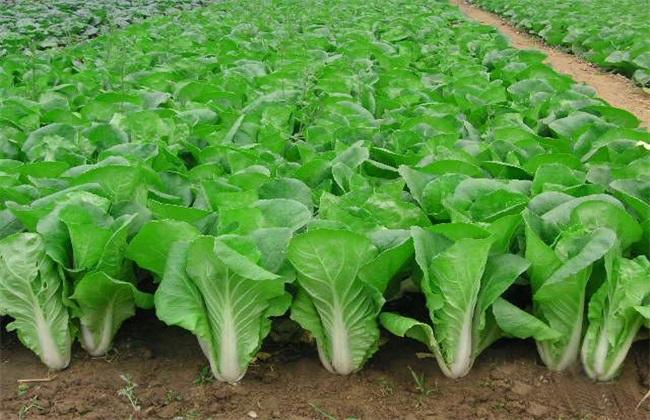
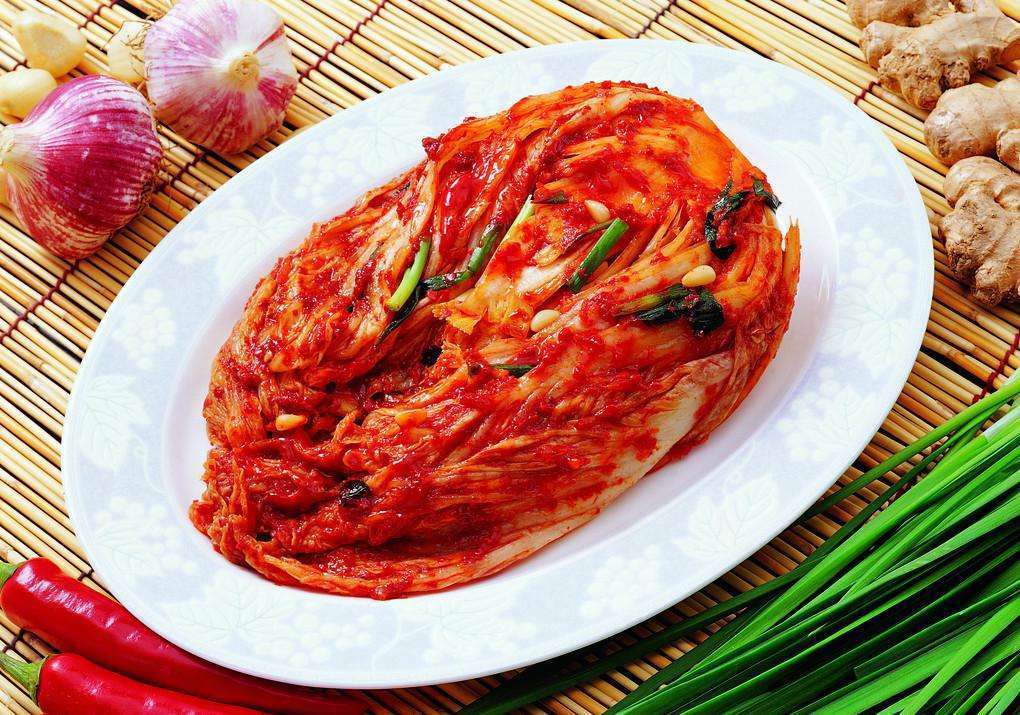
Kimchi is a beloved dish enjoyed by many, characterized by its spicy, tangy, sweet, and crisp flavors, with a white-and-red appearance. Suitable for all seasons, it is often eaten with rice. Chinese cabbage is rich in dietary fiber, which not only helps moisturize the intestines and promote detoxification but also stimulates gastrointestinal motility, aids digestion, and supports bowel movements, contributing to the prevention of colon cancer.
On October 26, Dr. Liu, Vice Chairman of Shenyang Dasan Pharmaceutical Technology Co., Ltd., together with his wife Ms. Zheng, led a kimchi-making event for the company. This activity not only strengthened interaction and unity among employees but also enhanced their diverse learning capabilities. Additionally, it played a vital role in promoting cultural exchange and understanding between China and South Korea.
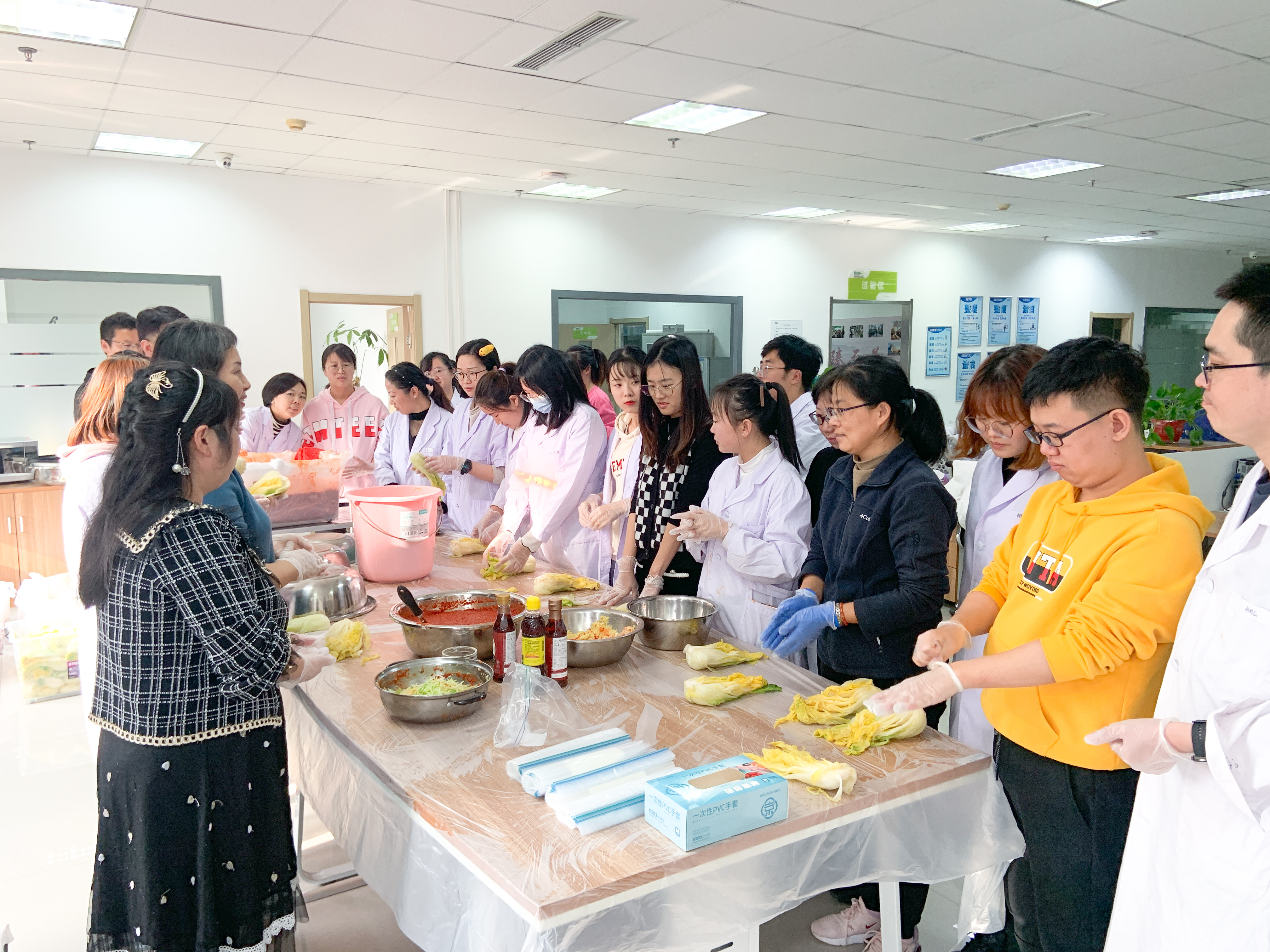
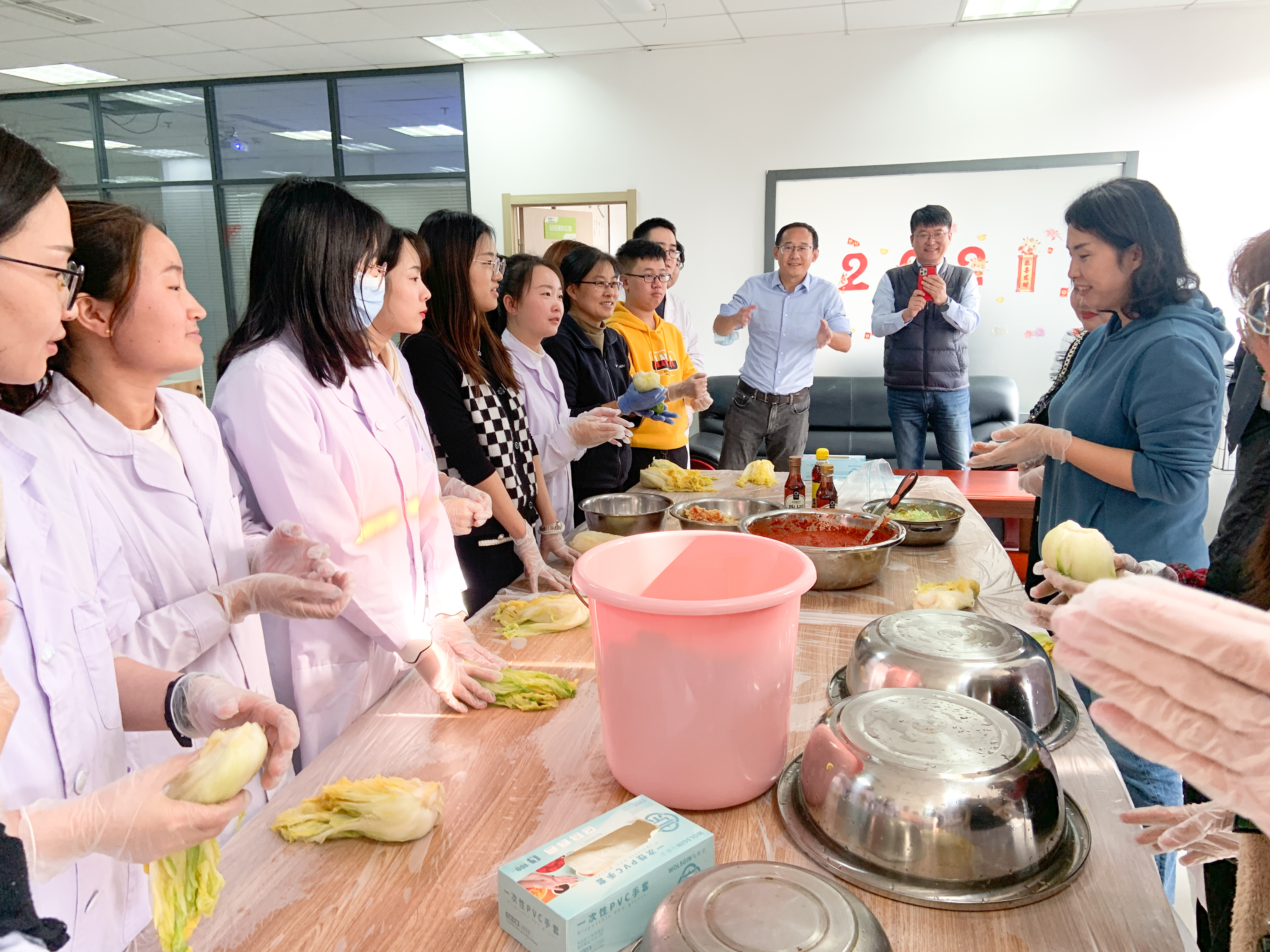
Dr. Liu and Ms. Zheng, who are from South Korea, are well-versed in kimchi making. Ms. Zheng first introduced the history of kimchi and explained how it is an indispensable part of Korean daily life. She then described several different ways to make kimchi, various flavor profiles, and the benefits of the lactic acid bacteria found in kimchi for human health.
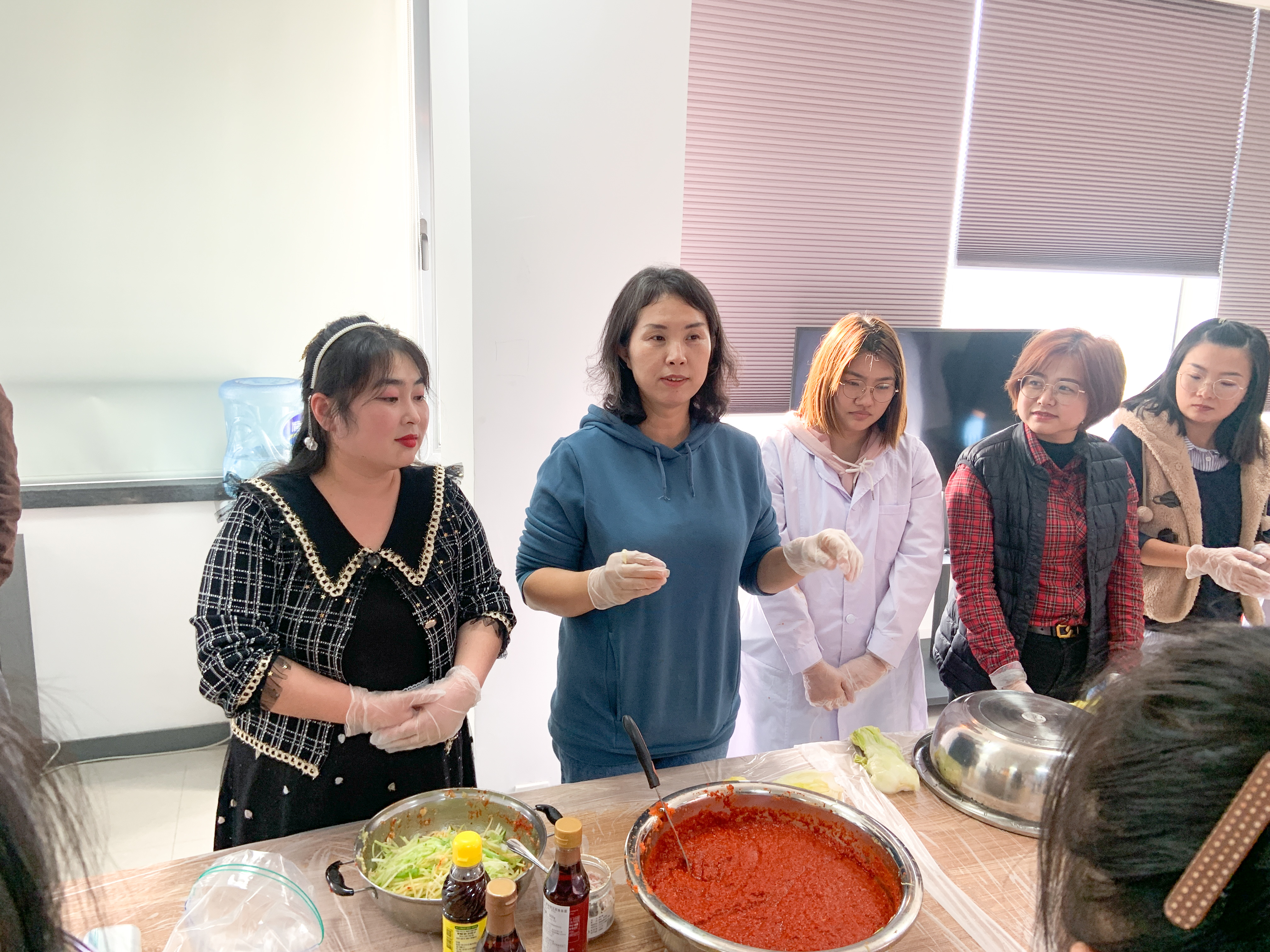
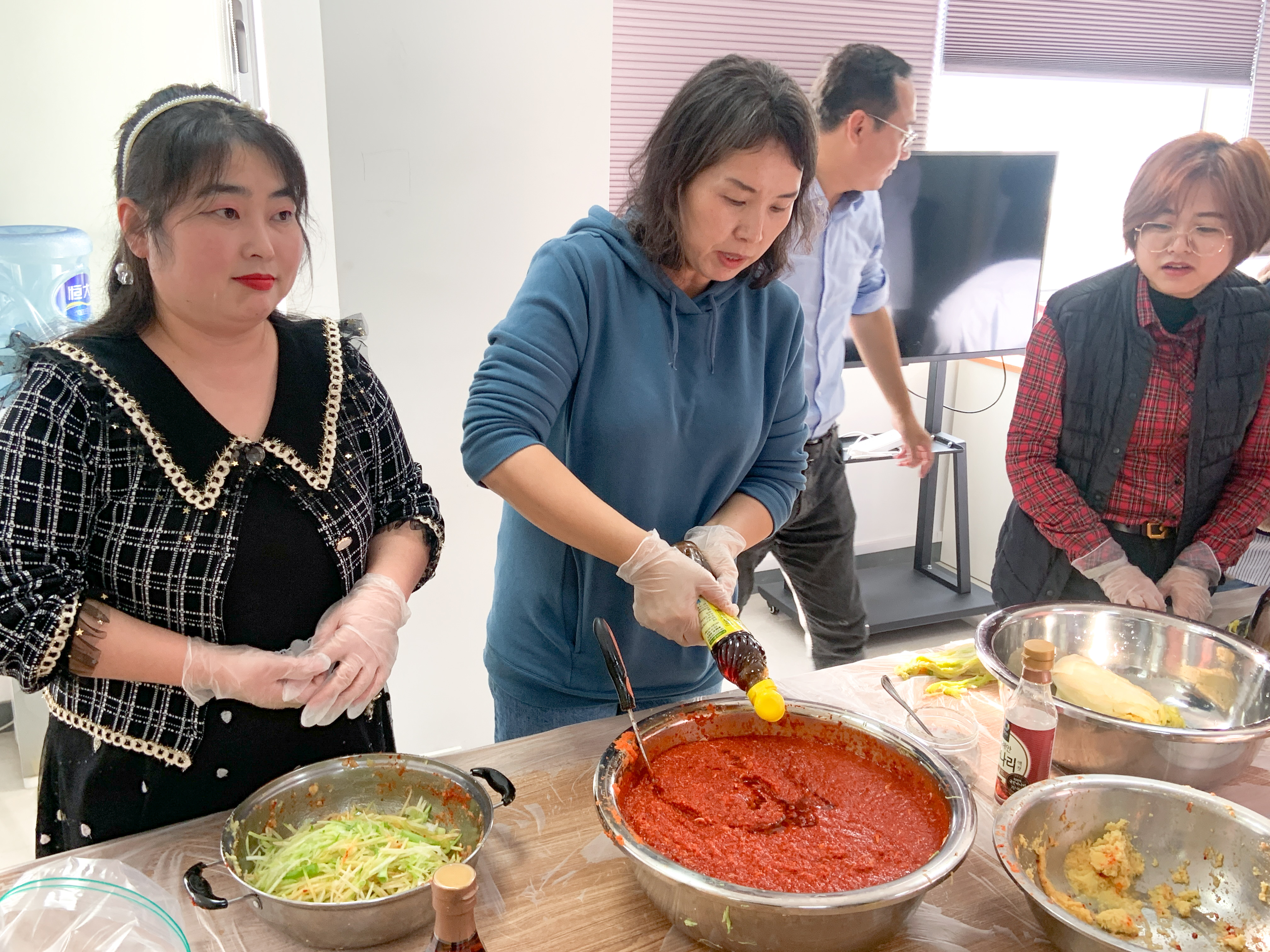
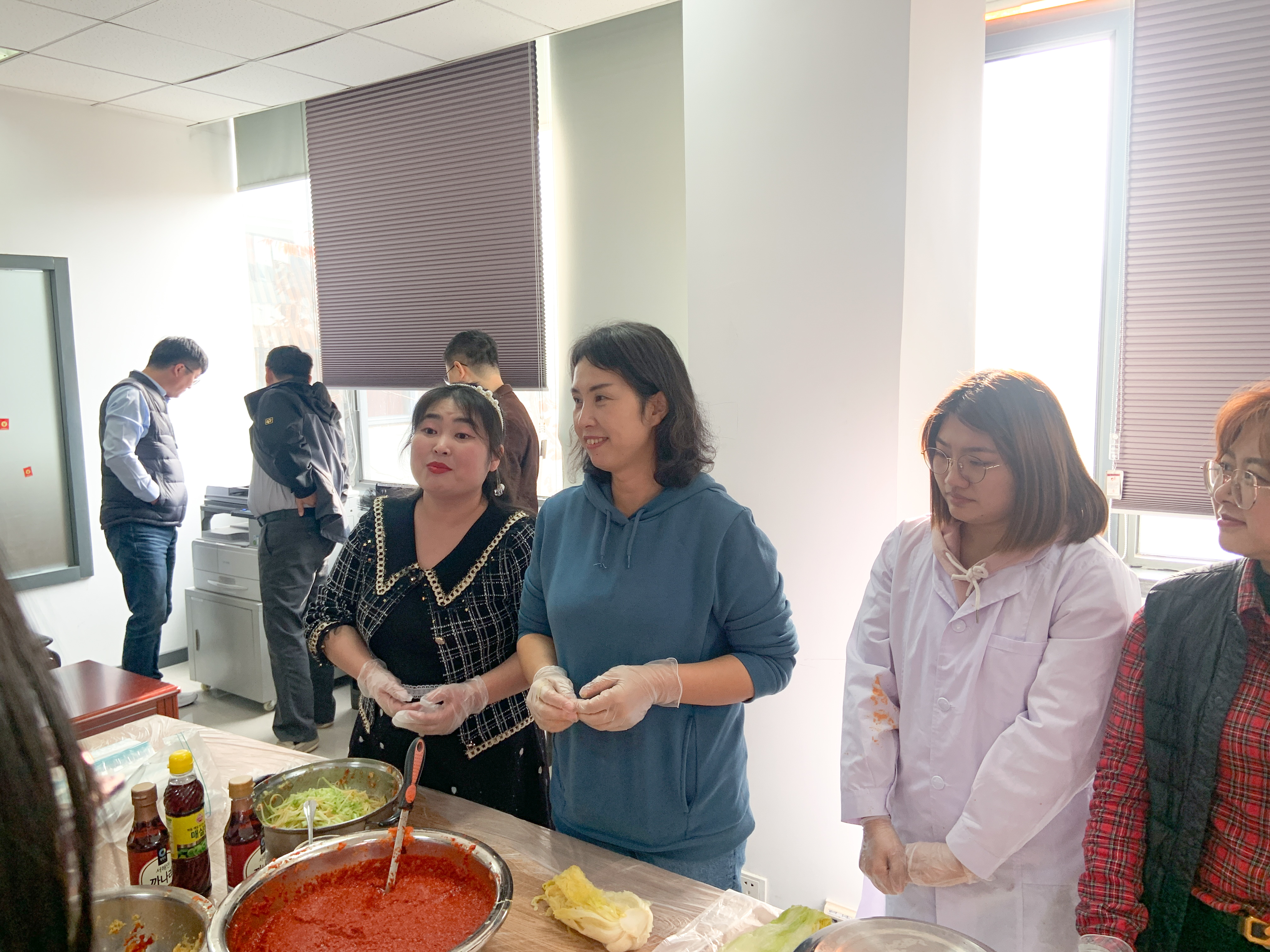
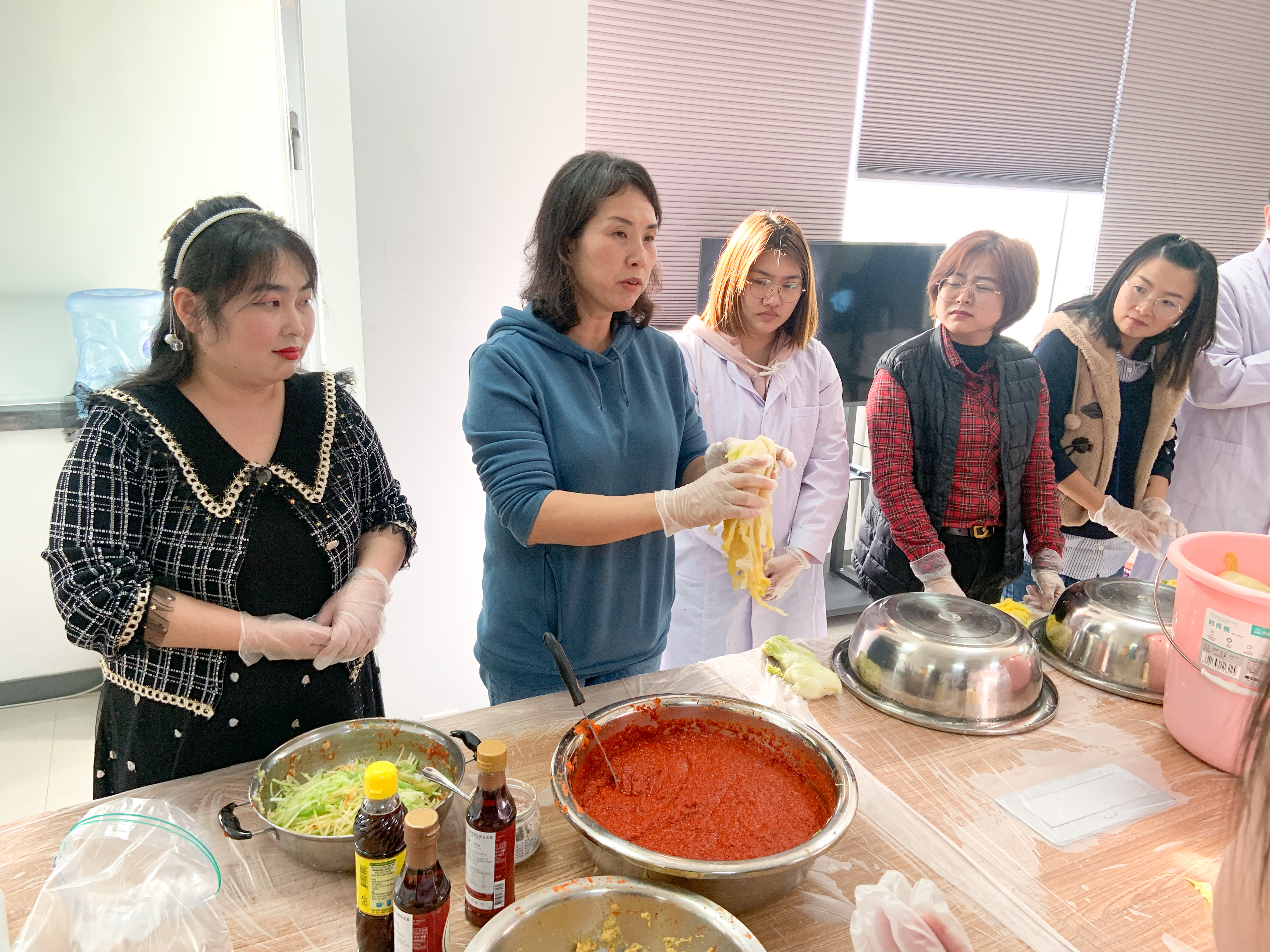
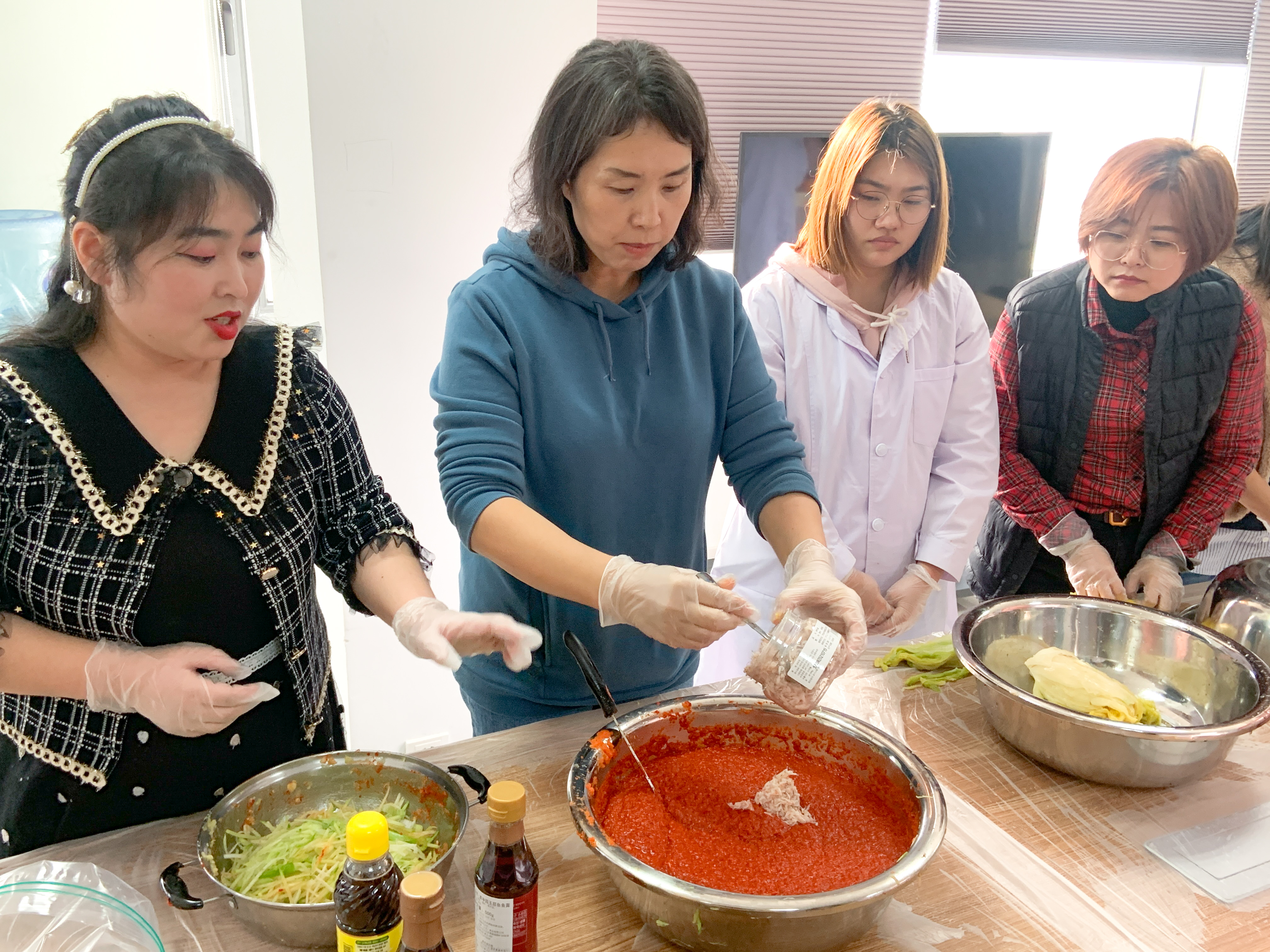
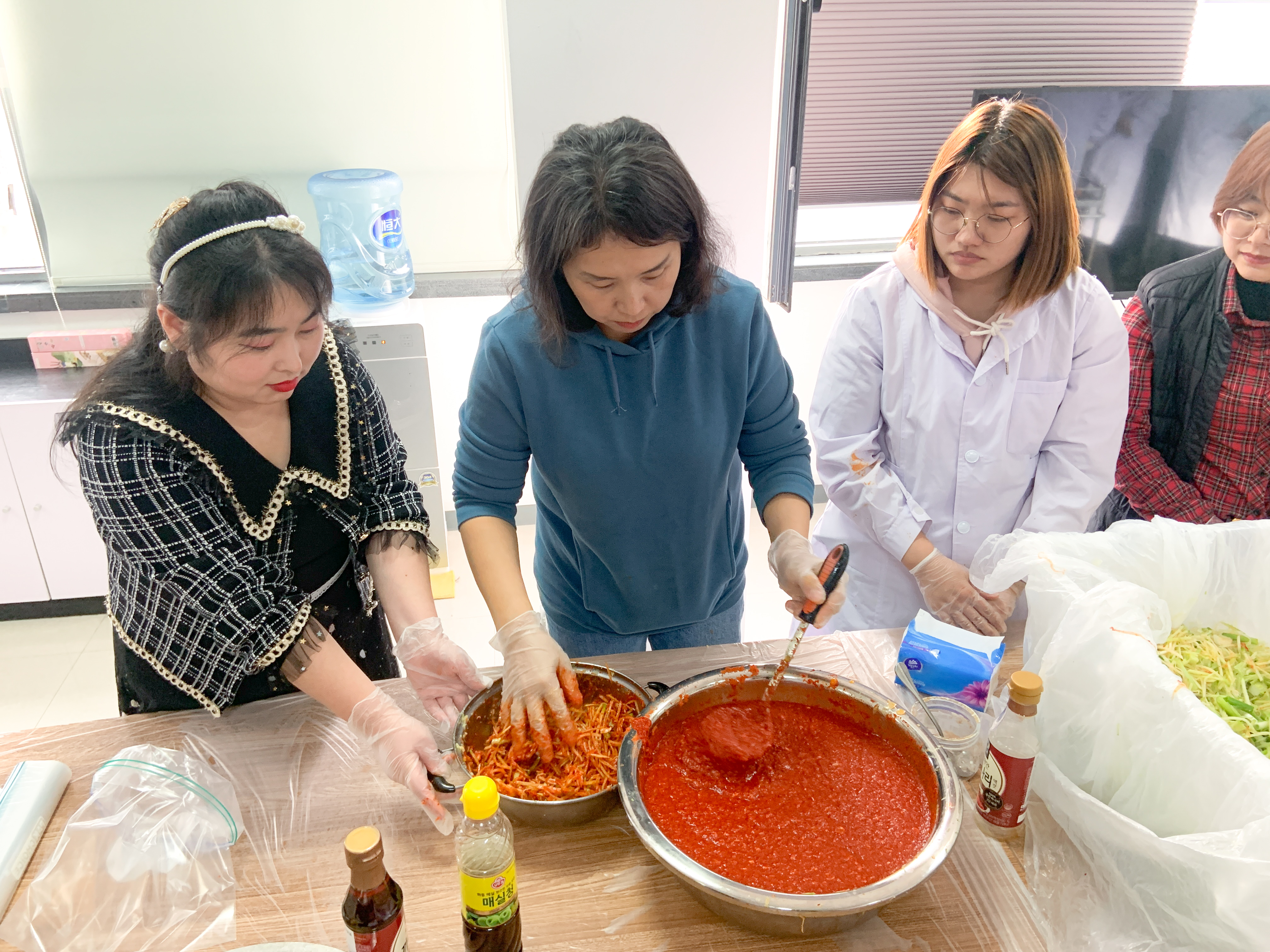
Ms. Zheng then demonstrated the complete kimchi-making process, and everyone carefully followed along. Every step of making kimchi involves many details—it is not as simple as it may seem. To create delicious kimchi, it is essential to follow each step precisely.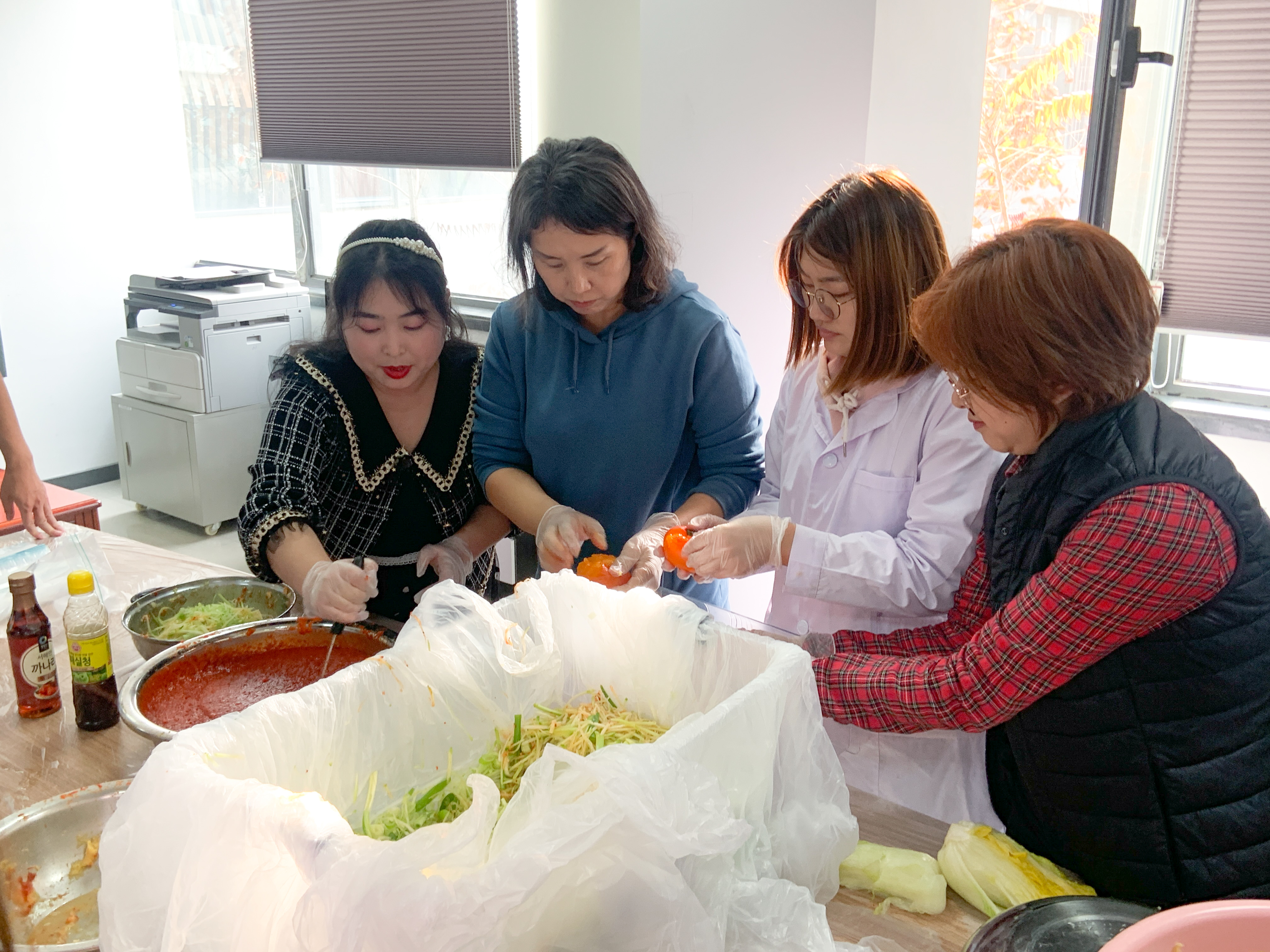
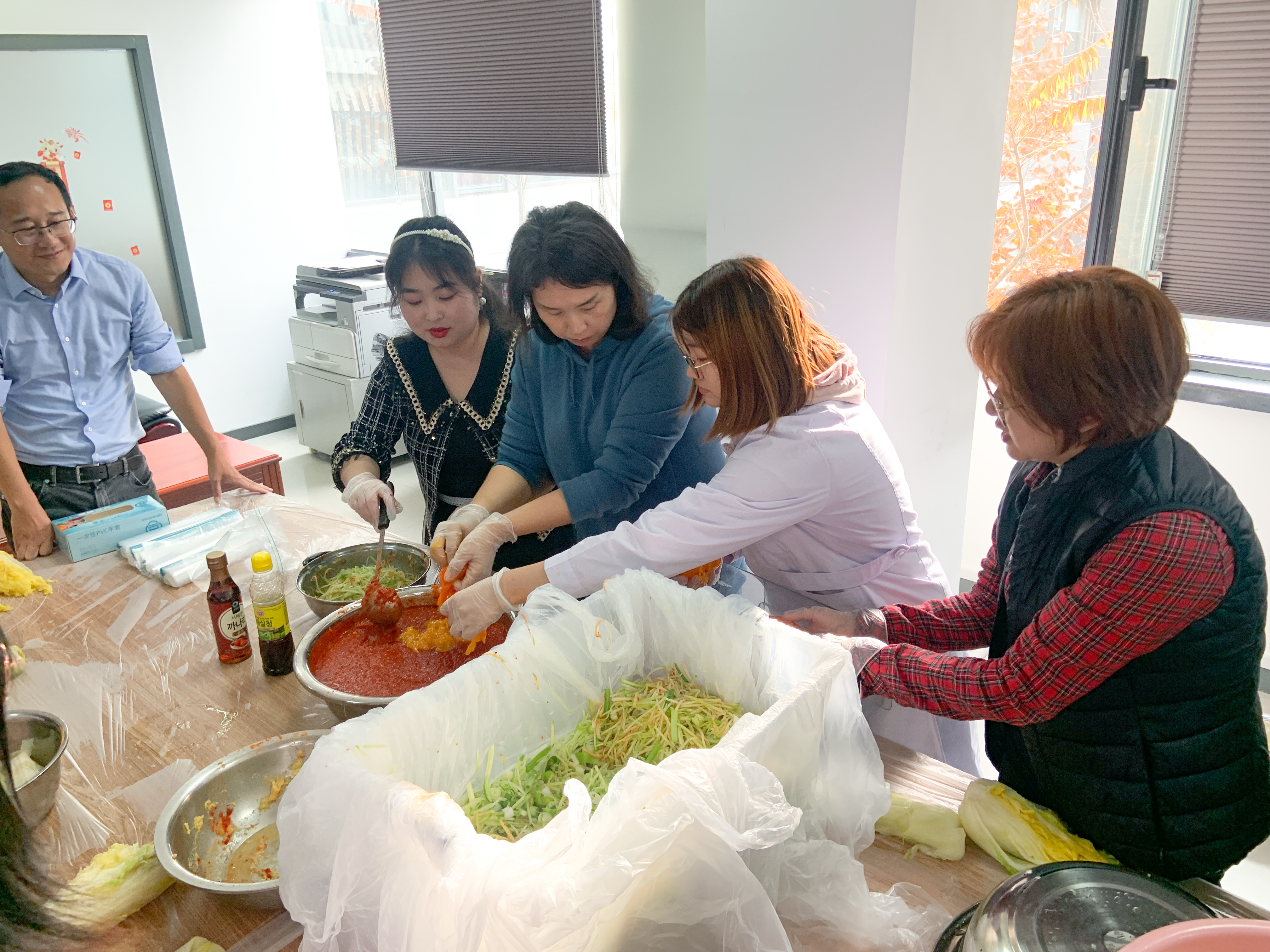
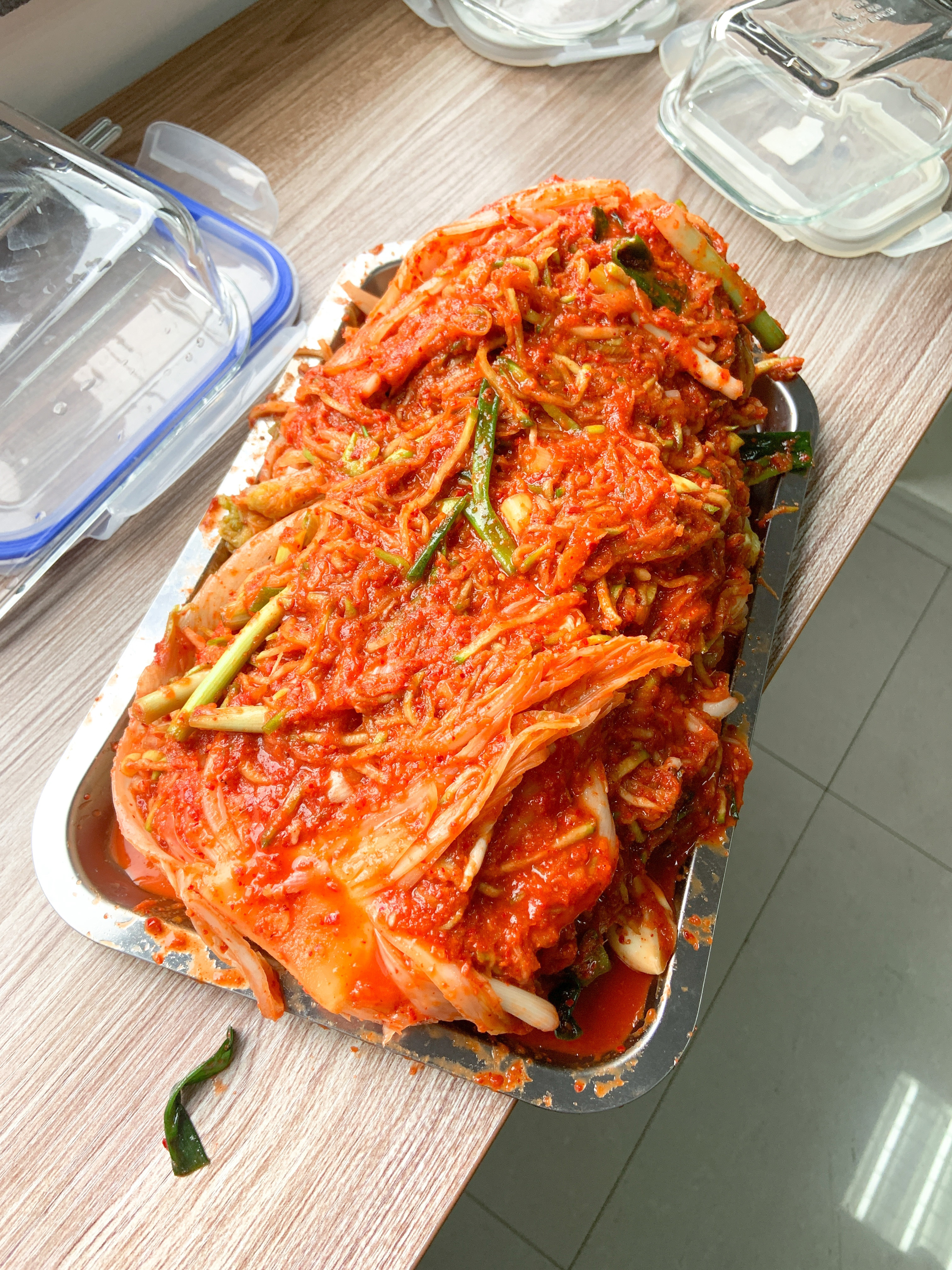
After learning the process, everyone began making their own kimchi to take home and share with their families.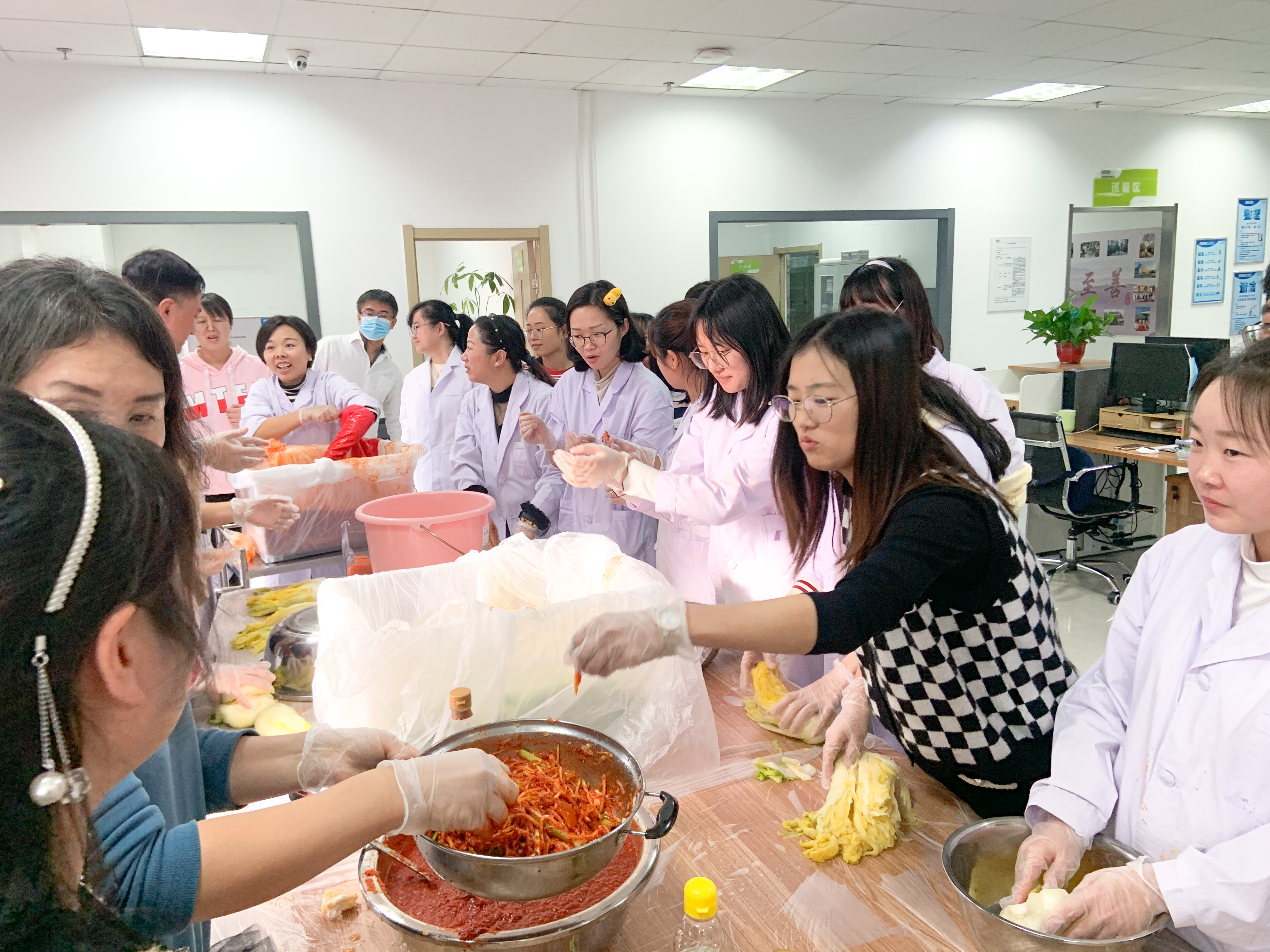
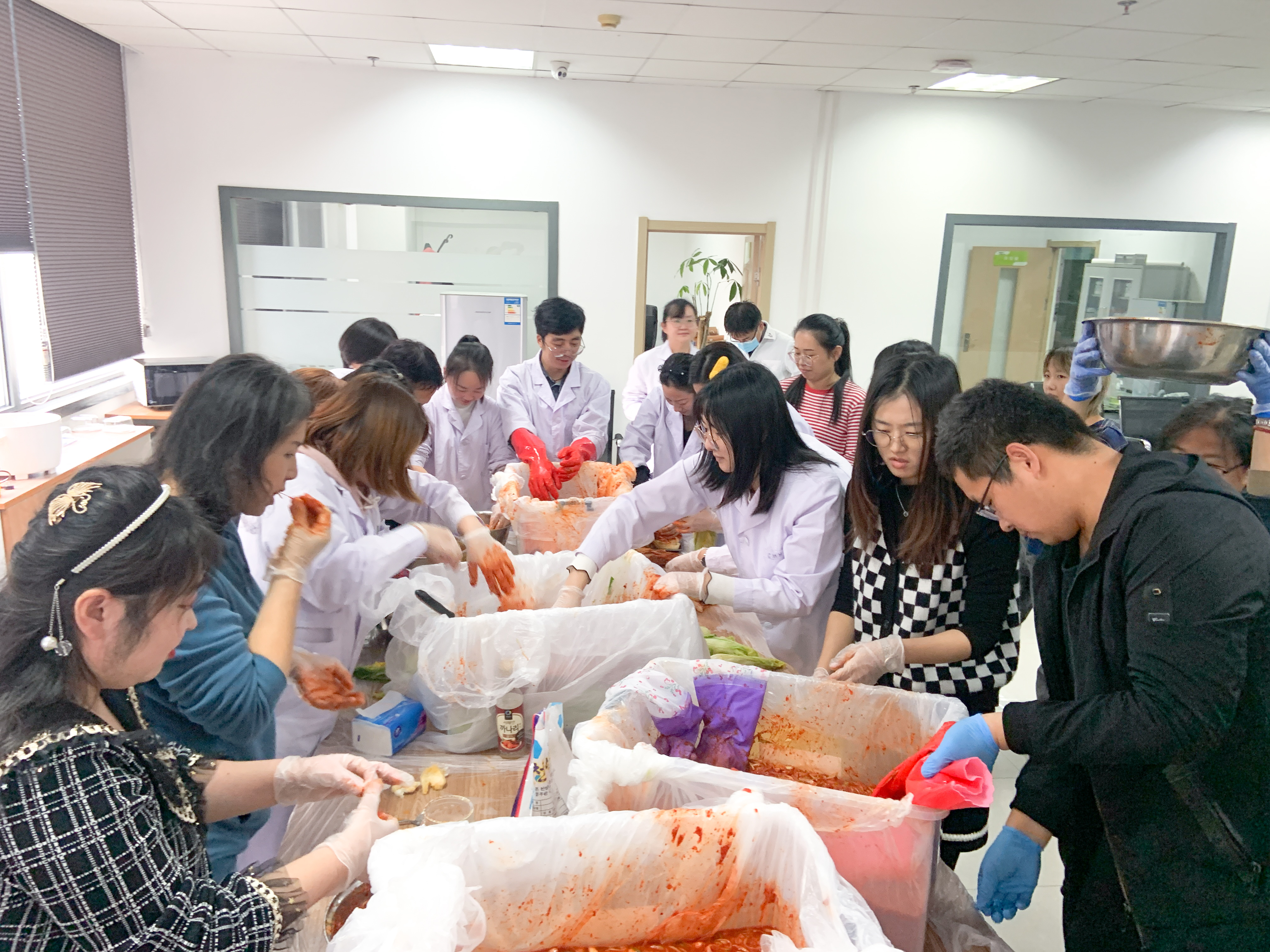
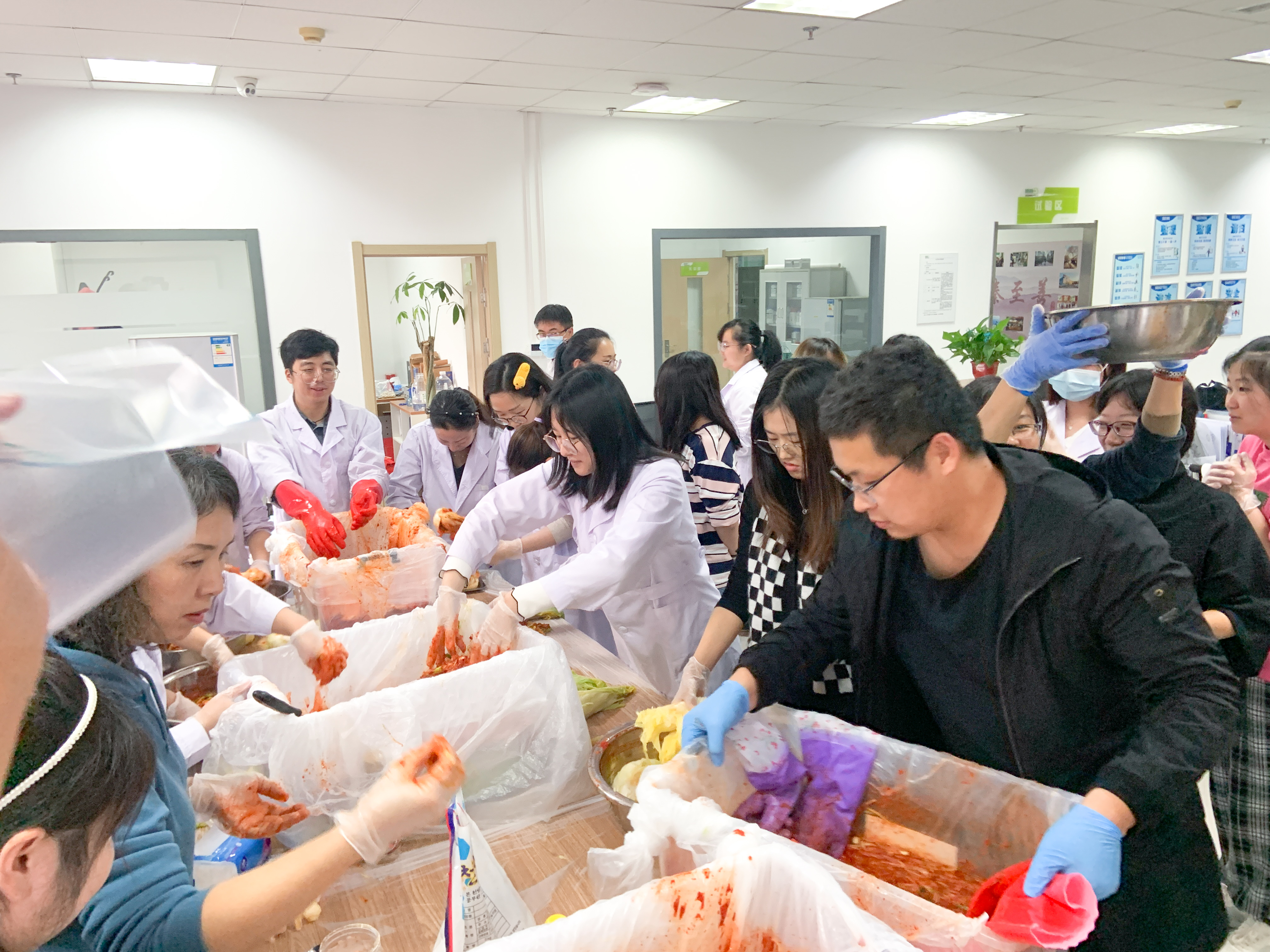
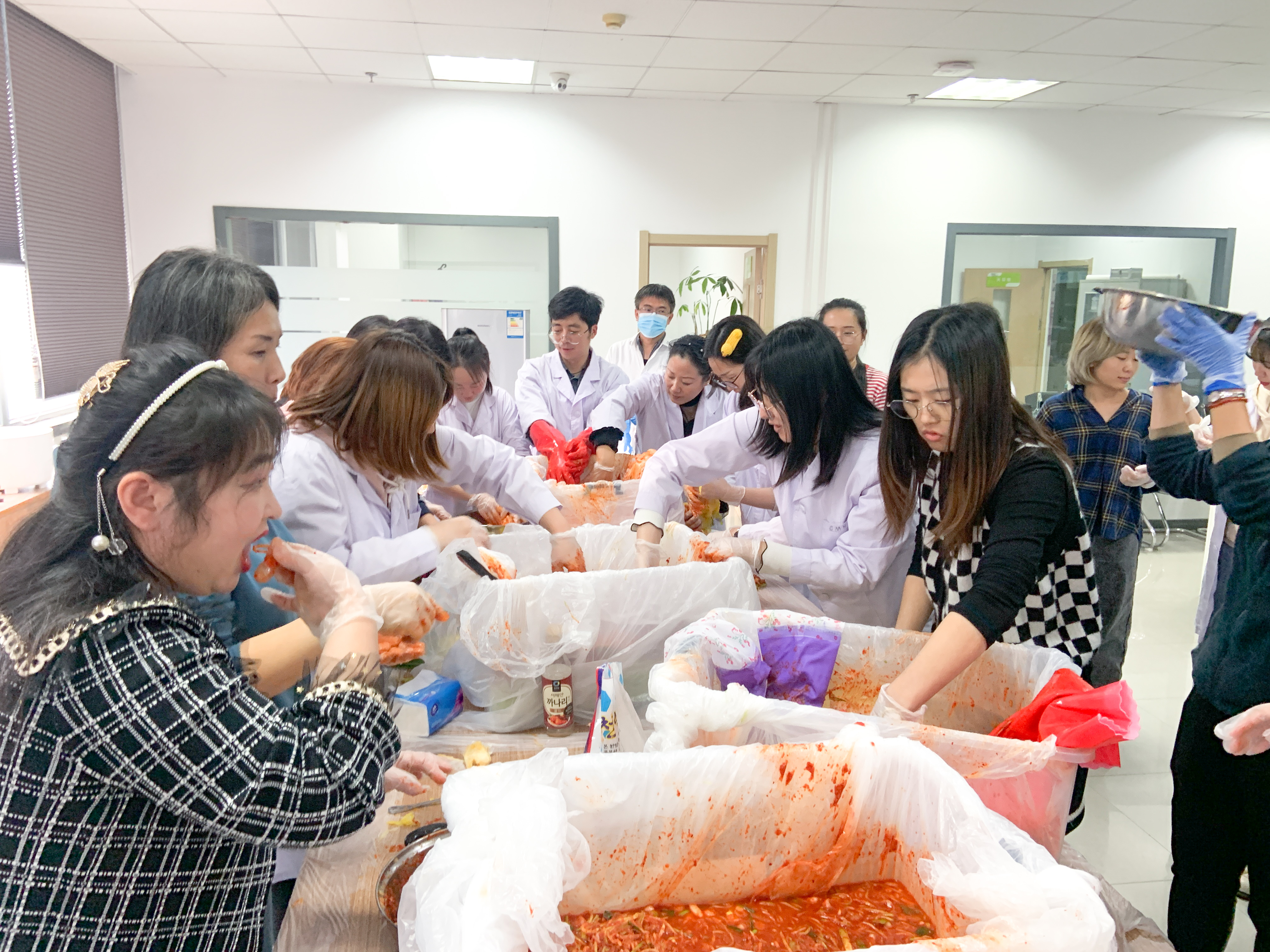
Regardless of the final taste, the most important part was that everyone enjoyed the process and had fun together. Seeing the finished product brought a sense of accomplishment and an indescribable joy.
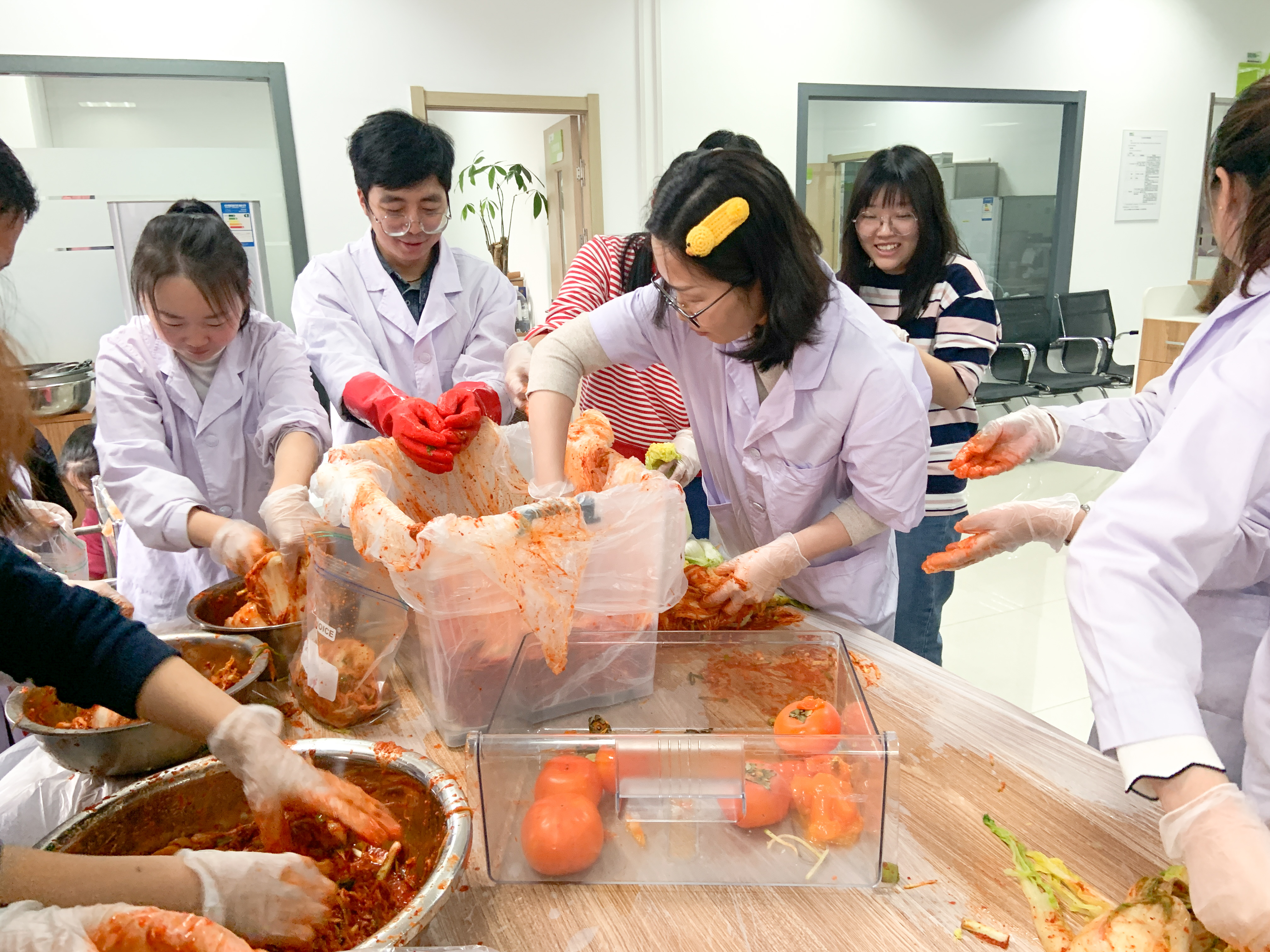
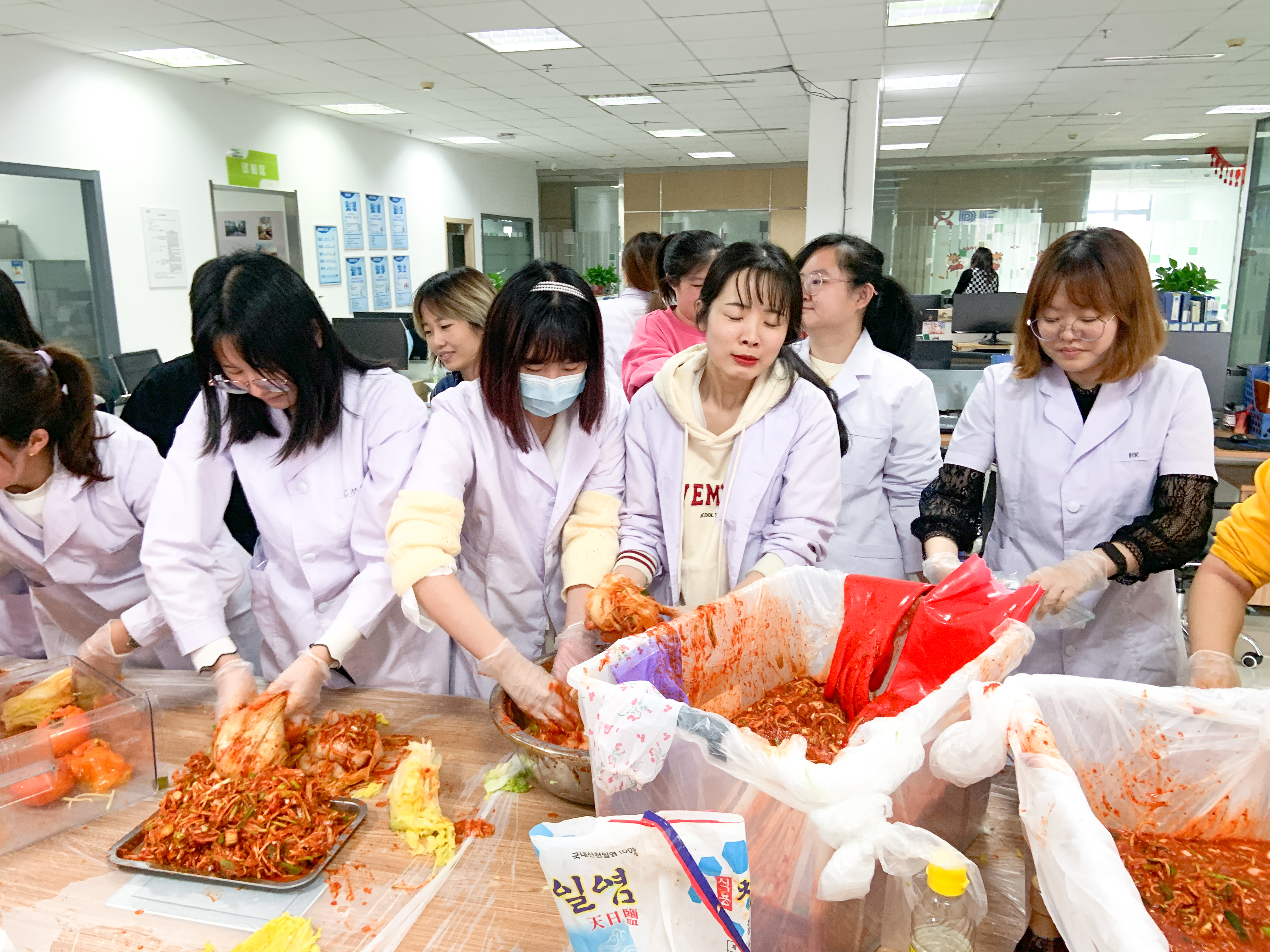
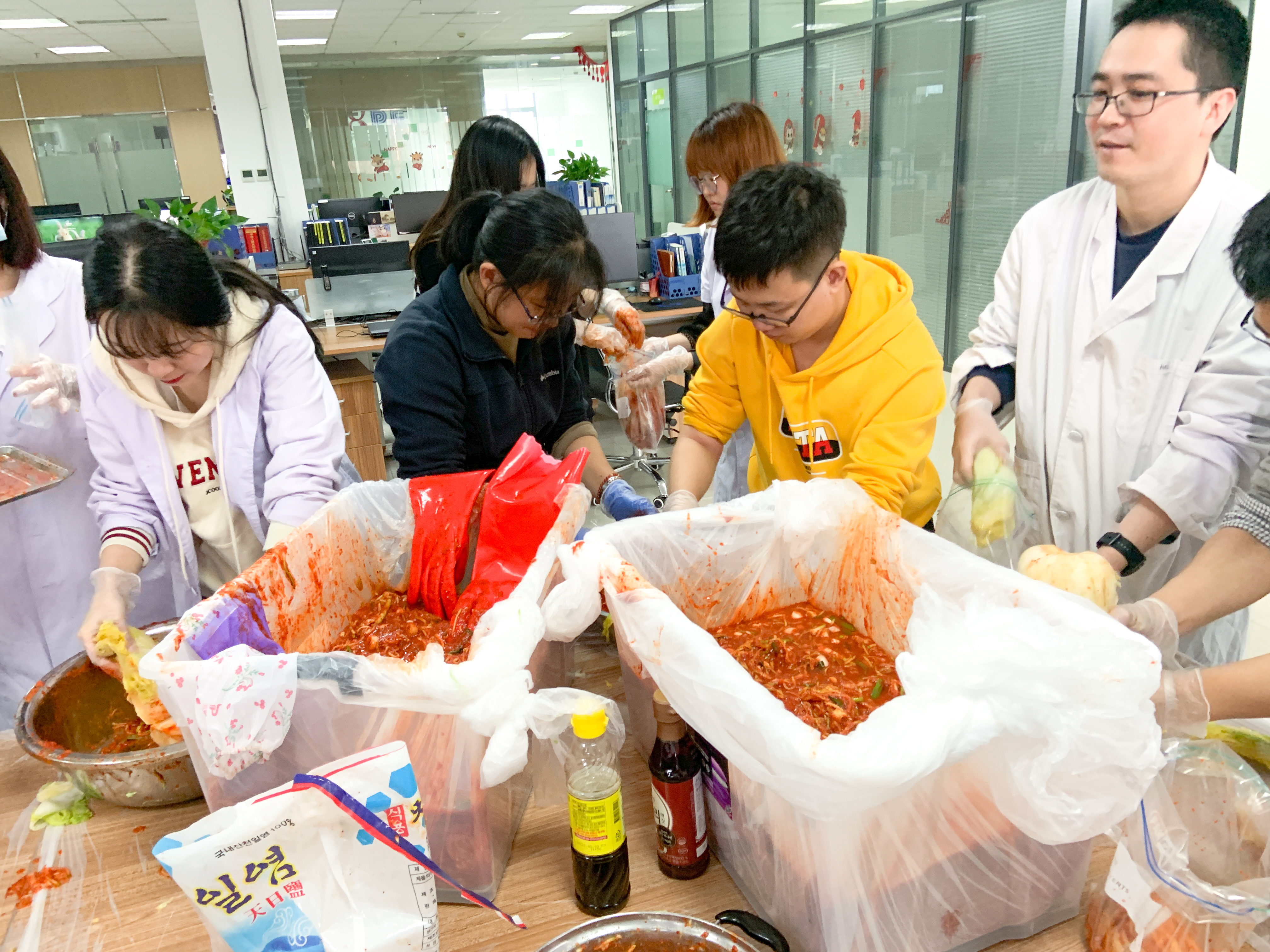
Finally,
a heartfelt thank you to Ms. Zheng for her hard work,
dedication, and effort in making this event possible,
for teaching everyone how to make kimchi,
and for allowing everyone to experience the joy it brings.
Thank you.
 Previous:
 Back to List