



Copyright © 2025 Shenyang Dasan Pharmaceutical Technology Co., Ltd.

 Posting Date:2020-11-12
 Views:
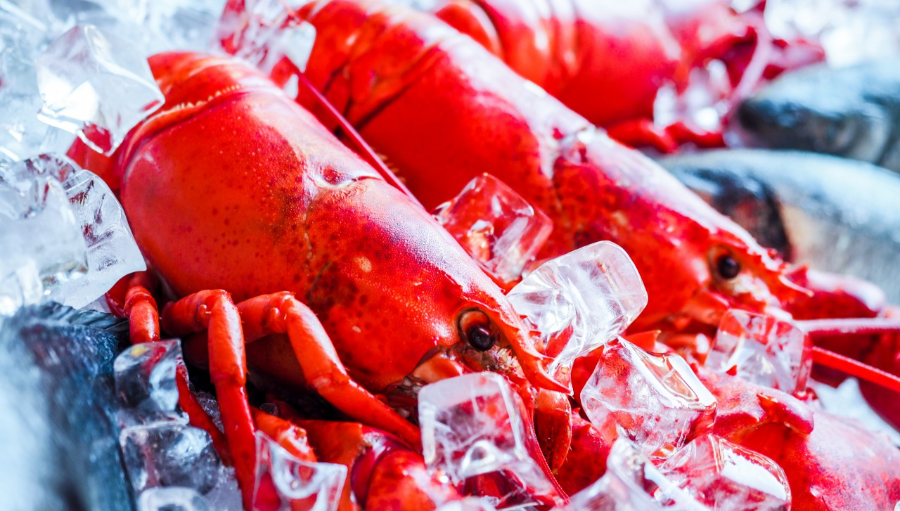
On November 7, Binhai New Area in Tianjin received a notification from Dezhou City, Shandong Province, that a nucleic acid test on the outer packaging of frozen food imported via Tianjin had returned positive for the novel coronavirus. Subsequently, Tianjin reported that a dock worker had been diagnosed with COVID-19. On November 9, Tianjin reported one additional asymptomatic case, a truck driver who had picked up goods at the cold storage facility where the confirmed case worked. Currently, cities including Dezhou in Shandong, Taiyuan in Shanxi, and Baoding in Hebei, where the contaminated products had been distributed, are stepping up investigations. Since June this year, at least ten provinces have detected positive coronavirus nucleic acid tests on cold-chain frozen products.
Why has the cold-chain sector become a "hiding place" for the novel coronavirus? What lessons have we learned from pandemic responses related to this? As autumn and winter mark the peak season for infectious diseases, how can we effectively prevent and control the epidemic within the cold-chain sector? A journalist conducted an exclusive interview with Wu Zunyou, Chief Epidemiologist of the Chinese Center for Disease Control and Prevention (China CDC), on these questions.
Items contaminated in areas with high epidemic prevalence can carry the virus to non-epidemic areas via cold-chain transport, causing contact transmission and sparking new outbreaks.
Journalist: On November 8, Tianjin reported one new locally confirmed COVID-19 case, a loading worker at a frozen food company. Prior to this, several regions have repeatedly detected the novel coronavirus on cold-chain frozen products. Why has the cold-chain sector repeatedly become a "hiding place" for the virus?
Wu Zunyou: Unlike pathogenic microorganisms such as parasites and bacteria, viruses are not killed by low temperatures, such as minus ten degrees Celsius. Generally, the lower the temperature, the longer the virus can survive. If the virus is placed in an environment of minus 180 degrees Celsius, such as liquid nitrogen, it could survive for decades or even centuries. The low-temperature environment created by the cold chain provides a favorable space for virus survival.
Different temperatures within the cold chain result in different virus survival times. Generally, at minus 20 degrees Celsius, the virus can survive for several months. Even under ordinary cold-chain transport, the virus can survive for several weeks. If items, including food or their outer packaging, are contaminated in areas with high COVID-19 prevalence, the virus can be carried via cold-chain transport to non-epidemic areas, causing contact transmission and triggering new outbreaks.
Growing evidence suggests that frozen seafood or meat products may have brought the virus from countries with epidemics into China.
Journalist: During pandemic prevention and control efforts, how did the cold-chain sector gradually come to the attention of relevant authorities? What discoveries have played a positive role in epidemic prevention and control?
Wu Zunyou: The cold chain first drew the attention of relevant authorities during the Beijing Xinfadi outbreak. Analysis of the Xinfadi outbreak revealed that cases were mainly concentrated in the aquatic product sales area, and that this area had the most severe environmental contamination with the novel coronavirus. These findings suggested that the Beijing Xinfadi outbreak might be linked to seafood products. It was also noted that the outbreak was not severe in areas selling room-temperature aquatic products like live fish.
Looking back at the early outbreak in Wuhan at the beginning of the year, at the Huanan Seafood Market, patients were also mainly concentrated in the frozen seafood area. These clues all pointed to cold-chain imported seafood as a potential source of the outbreak. Following this lead, it was indeed discovered that seafood products imported from multiple countries were contaminated with the novel coronavirus.
Subsequently, customs in several cities across the country tested imported frozen seafood and meat products and found positive nucleic acid test results for the novel coronavirus. Growing evidence suggests that frozen seafood or meat products may have brought the virus from countries with epidemics into China. These findings led customs and other departments to strengthen import testing, and market regulatory and health departments across the country also stepped up supervision of local cold-chain foods.
The outbreaks in Beijing, Dalian, and Qingdao were detected earlier each time, and their scale grew progressively smaller.
Journalist: Previously, the origins of the outbreaks in Beijing, Dalian, and Qingdao were all linked to the cold-chain sector. What are the characteristics of the responses to these sudden incidents? What beneficial prevention and control experiences have we learned from them?
Wu Zunyou: The Beijing Xinfadi outbreak drew our attention to frozen products transported via the cold chain for the first time. This was also the first time globally that it was discovered and confirmed that contaminated food, transported via the cold chain, could trigger a cross-border COVID-19 outbreak. This made us realize that in preventing imported cases, we must also pay attention to goods arriving from abroad, especially to prevent the novel coronavirus from being brought into China via cold-chain transported food and sparking new outbreaks.
The Dalian outbreak further proved that food contaminated with the novel coronavirus via cold-chain transport could trigger COVID-19 outbreaks. These outbreaks directly prompted China to strengthen the management of personnel engaged in the cold-chain operation of frozen meat and seafood products.
The Qingdao outbreak, on the other hand, resulted from proactive regular monitoring of cold-chain personnel, leading to the detection of asymptomatic carriers in the early stages of infection, thus preventing wider spread.
The outbreaks in Beijing, Dalian, and Qingdao were detected earlier each time, and their scale grew progressively smaller. This is the result of continuously learning lessons and summarizing experiences. These experiences can be summarized as regular environmental testing of the cold-chain industry and nucleic acid screening of cold-chain personnel at least once a week to promptly detect infections in their early stages and nip outbreaks in the bud.
It is necessary to ensure the safety of imported cold-chain food, protect the health and safety of the people, while also improving port clearance efficiency and ensuring the stability of industrial and supply chains.
Journalist: On November 9, the Joint Prevention and Control Mechanism of the State Council issued the "Work Plan for Comprehensive Preventive Disinfection of Imported Cold-Chain Food." How do you assess the practical significance of this plan?
Wu Zunyou: This document is an important policy document for the normalized prevention and control of COVID-19 in China. After discovering multiple local outbreaks caused by imported cold-chain food, the government did not simply and hastily ban the import of cold-chain food. Instead, it incorporated the potential risk of COVID-19 outbreaks caused by contaminated imported cold-chain food into normalized management, controlling the risk to the lowest possible level. While ensuring the safety of imported cold-chain food and protecting the health and safety of the people, this approach also provides policy support for improving port clearance efficiency and ensuring the stability of industrial and supply chains.
Journalist: As autumn and winter seasons require strict prevention of a potential resurgence of the epidemic, how can epidemic prevention and control be effectively managed within the cold-chain sector? What are your suggestions? What lessons does the recent Tianjin case offer?
Wu Zunyou: To effectively manage epidemic prevention and control in the cold-chain sector, three types of testing must be carried out: first, sample testing of imported products and their outer packaging to promptly detect contaminated food; second, regular environmental sampling of the working environments of the cold-chain industry, including transport vehicles and storage cold storage facilities, to test for contamination; third, nucleic acid screening of cold-chain personnel at least once a week to promptly detect infections in their early stages, identify outbreaks early, and contain them promptly.
In terms of management, on the one hand, all cold-chain industry managers and practitioners should be trained to ensure the thorough implementation of normalized prevention and control measures. On the other hand, regular supervision and inspection of the implementation of these measures in the cold-chain industry should be conducted to identify weak links and promptly address risk points.
 Previous:
 Back to List