The uric acid levels of Chinese people are rising rapidly.
Posting Date:2024-10-08Views:
A study covering over 2 million people shows that from 2001 to 2017, the prevalence of hyperuricemia (HUA) among individuals aged 15 and above in mainland China surged from 8.5% to 18.4%, more than doubling, with the southern region being particularly severe.
For a long time, it has been widely believed that long-term high uric acid increases the risk of gout and kidney stones. However, with the advancement of medical research, the association between high uric acid and other chronic diseases has gradually emerged.According to the "Chinese Multidisciplinary Expert Consensus on the Diagnosis and Treatment of Hyperuricemia and Related Diseases (2023)," hyperuricemia has become the second most prevalent metabolic disease in China, surpassed only by diabetes. The Balance is BrokenUric acid in the human body mainly originates from an organic substance called "purine." Purine comes from two sources: one is innate, as an important component of the genetic material DNA and RNA; the other is exogenous, entering the body through the intake of purine-containing foods.In a healthy person, the liver processes excess purines, producing uric acid. Uric acid, as a metabolic waste product, is soluble in blood. About two-thirds is excreted by the kidneys, and the remaining one-third is eliminated through the digestive tract.Under normal circumstances, uric acid production and excretion maintain a dynamic balance. However, multiple factors can disrupt this balance, leading to either overproduction or reduced excretion of uric acid, thereby raising uric acid levels.Under a normal purine diet, a diagnosis of hyperuricemia can be made when fasting serum uric acid levels exceed 420 μmol/L (7 mg/dL) on two different days in adults.The impact of age and sex on uric acid levels is well-established. As age increases, the structure and function of the kidneys change, and their filtration capacity diminishes. From ages 30 to 40 onward, the glomerular filtration rate decreases by approximately 1 ml/min/m² per year. This natural change can elevate uric acid levels.Males are generally more prone to high uric acid than females. From adolescence onward, uric acid levels are typically higher in men. Before age 50, the prevalence of hyperuricemia in men is about 2 to 4 times that in women; after age 50, the gap between the sexes begins to narrow.
Prevalence of Hyperuricemia Estrogen is considered the primary cause of this sex difference. Estrogen influences kidney functions such as clearance and reabsorption, and its level is negatively correlated with uric acid levels. Due to the development of secondary sexual characteristics and hormonal differences, sex-based differences in uric acid levels begin to appear after puberty. Consequently, adult males generally have higher uric acid levels than females of the same age, but the gap narrows in postmenopausal women.Societal changes, increased life expectancy, an aging population, and greater health awareness have contributed to a higher proportion of individuals detected with elevated uric acid. However, these factors alone do not fully explain the rapid increase in uric acid levels among Chinese people or the regional differences; other factors are also at play. The Dual Influence of Genetics and LifestyleFrom a genetic perspective, Chinese people do not possess a specific genetic advantage that makes them "immune" to hyperuricemia and gout.Elevated uric acid is a global issue. Starting in the 1970s and 1980s, developed countries such as the United States and Japan experienced a widespread increase in uric acid levels, with hyperuricemia prevalence rates once exceeding 20%. However, due to early detection and attention to this phenomenon, the prevalence of hyperuricemia in these countries has stabilized in recent years.In contrast, the situation in China presents unique characteristics: prevalence increased later but has risen sharply, with a distinct trend toward younger age groups. This rapid development is closely linked to lifestyle changes. In addition to genetic factors, the medical community widely agrees that lifestyle, particularly dietary habits, influences uric acid levels.Certain foods are natural "uric acid boosters," either because they are rich in purines or because they lead to increased uric acid production through other pathways. Representative foods include certain types of fish and shellfish (such as anchovies, sardines, cod, lobster, mussels, scallops, etc.), common meats (such as beef, lamb, organ meats), alcoholic beverages (especially beer), and fructose.Higher consumption leads to increased risk. Researchers at Peking Union Medical College Hospital systematically analyzed 19 studies and found that hyperuricemia is positively correlated with the intake of red meat, seafood, alcohol, and fructose. Specifically, the consumption of red meat, seafood, alcohol, and fructose was associated with a 24%, 47%, 106%, and 86% increased risk of hyperuricemia, respectively.
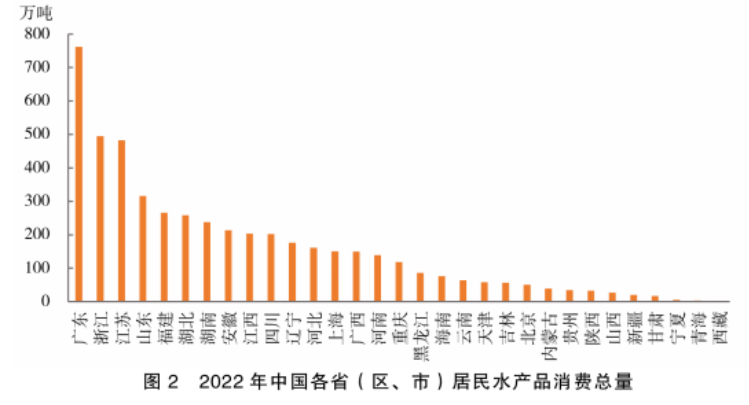
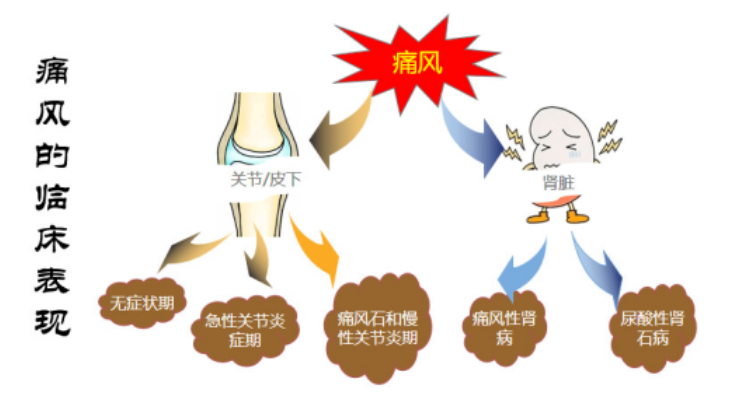
Of course, there are also lifestyle habits that reduce risk, but in reality, we are not doing well in these areas.Adequate water intake promotes uric acid excretion. It is recommended that individuals with light physical activity drink 1500 to 3000 milliliters of water per day. However, inadequate water intake is common. A survey of summer water consumption among adult residents in Beijing, Chengdu, Shanghai, and Guangzhou found that one-third of participants drank less than 1200 milliliters of water per day.Regular, moderate physical activity is also beneficial for uric acid metabolism. Both domestic and international guidelines encourage exercise as an important component of non-pharmacological therapy, such as at least 150 minutes of moderate-intensity aerobic exercise per week. However, studies show that the proportion of Chinese adults with insufficient physical activity increased from 17.9% in 2010 to 22.3% in 2018, with a downward trend in 2022.When behaviors that increase risk become more common and those that reduce risk become less common, it may be difficult to avoid an overall rise in uric acid levels within the population.A study released by the Chinese Center for Disease Control and Prevention, based on a representative survey of 189,198 adults across 31 provincial-level administrative regions, found that alcohol consumption rates are also highest in southern China. In the past 12 months, the prevalence of alcohol consumption was 69.1% among men and 28.4% among women.Of course, regional differences in diseases and conditions are very complex. Unique dietary habits may partially explain the situation but cannot paint the full picture. In fact, preferences for certain foods are also influenced by genetic factors. Scientists have discovered specific genetic variations that affect whether we like certain foods, such as the habit of drinking alcohol, where genetic factors may account for 43% to 53% of the influence. Uric Acid is Closely Linked to Multiple DiseasesNot just gout. When the uric acid concentration in the blood exceeds 420 μmol/L, uric acid may crystallize and deposit in joints and surrounding soft tissues, which is the physiological basis for the onset of gout. However, the risks associated with hyperuricemia extend far beyond this.
Numerous studies have found that hyperuricemia is associated with an increased risk of chronic diseases such as hypertension, diabetes, obesity, and metabolic syndrome. For example, a meta-analysis showed that for every 1 mg/dL increase in uric acid levels, the risk of developing hypertension increases by 13%. Similarly, another study found that individuals with higher uric acid levels also had a relatively higher risk of developing type 2 diabetes, with a 9% increased risk for every 1 mg/dL increase in uric acid. Furthermore, a bidirectional association exists between obesity and hyperuricemia; hyperuricemia may also increase the risk of obesity by affecting lipid metabolism.In addition to the diseases mentioned above, hyperuricemia has also been found to have potential links with non-alcoholic fatty liver disease, chronic inflammation, and Alzheimer's disease. Although more research is needed to elucidate the causal relationships and mechanisms between uric acid and these diseases, there is a basic consensus that this indicator deserves more attention.
Therefore, for patients with hyperuricemia, in addition to focusing on traditional risks such as gout and kidney stones, it is also necessary to be aware of the potential risks of other chronic diseases. In daily life, uric acid levels should be managed through a reasonable diet, moderate exercise, and necessary medication to reduce the risk of related diseases. Regular check-ups and consultation with medical professionals are also crucial.




 Posting Date:2024-10-08
 Views: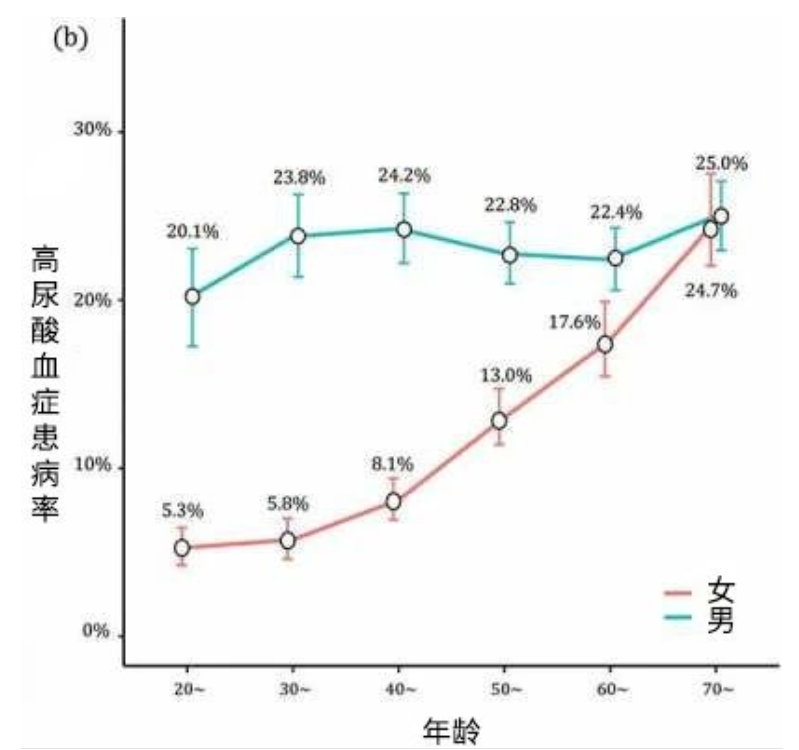

 Previous:
 Back to List